Poultry Serology
Getting the Story Straight from the Antibodies


Key Takeaways (TL;DR)
- Serology measures antibodies to help evaluate flock immunity and identify potential disease challenges.
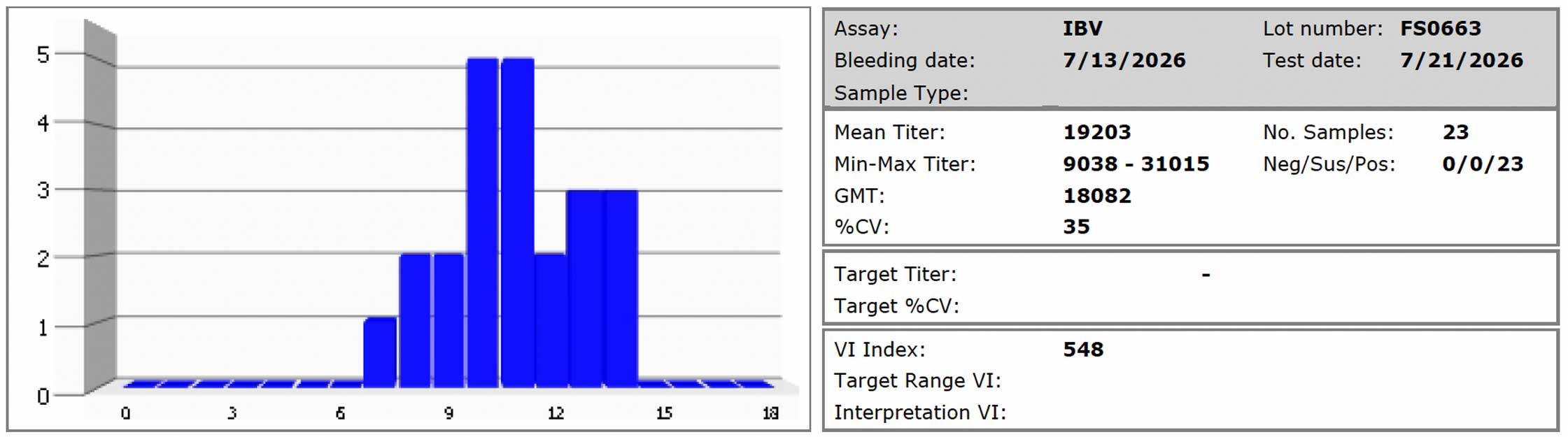
- Focus on two key numbers: Geometric Mean Titer (GMT) and Coefficient of Variation (CV).
- Always interpret serology results alongside flock history, vaccination program, age, and clinical signs.
- Always work with your VCPR poultry veterinarian to make health decisions based on serology.
Getting the Story Straight from the Antibodies
How do I even read the report?
Have you ever gotten a serology report from a laboratory and thought, “what the heck does this even mean?” You’re not alone! At some point or another, we’ve all looked at these reports and just scratched our heads. In this blog, we’ll cover the basics of what you need to know when reading a serology report and how to begin interpreting the results.
What is Serology?
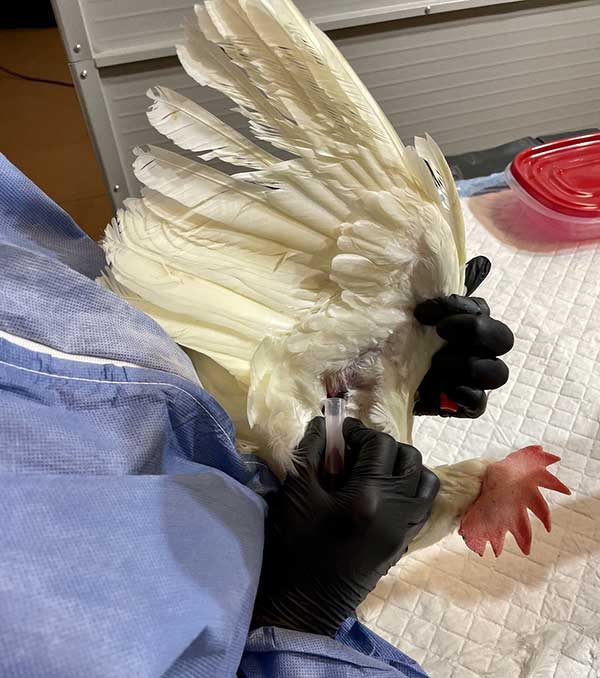
Serology is the scientific term for how we test blood for antibodies to different diseases. There isn’t a blood test for every disease we vaccinate for though. Some of the most common blood tests used in poultry most are: Newcastle (NDV), Infectious Bronchitis Virus (IBV), and Mycoplasma gallisepticum (MG), however, there are a variety of others for farm specific disease programs or regulatory compliance.
For monitoring titer trends over time this serological test is called an ELISA test. This tells you how many birds had antibodies, the antibody levels, and how close the antibody levels are across the flock. These parameters are assessed before a killed vaccination is given, often called “pre-killed”. They are also assessed after a killed vaccination is given or “post-killed” and as a part of a routine monitoring program in the lay house “routine”.
Why Do We Run Serology
Serology is run during various timepoints in a flock’s life both to check for disease, but also to check for the absence of diseases. Especially for “routine” serology collected during lay, this testing is used to rule things out that are not contributing to a flock health, production, or egg quality problem. Using serology to help prevent speculation on diseases or narrow down targets is extremely beneficial to limit diseases from becoming scapegoats of production or nutrition teams.
Serology is also used to directly monitor vaccine success both as a numeric measurement which can impact training of staff, but also to make sure that vaccine applicators know that it is being monitored. When personnel know a process is monitored, and outcomes are measured, they are much more likely to stick to standard operating procedures and maximize accuracy. In turn, this makes a vaccination program more successful without changing any of the vaccines given.
“Serology is 50% science and 50% psychological.” - Dan Wilson
Timing of Serology
The goal of collecting blood for serology is different depending on the timepoint in a flock’s life.
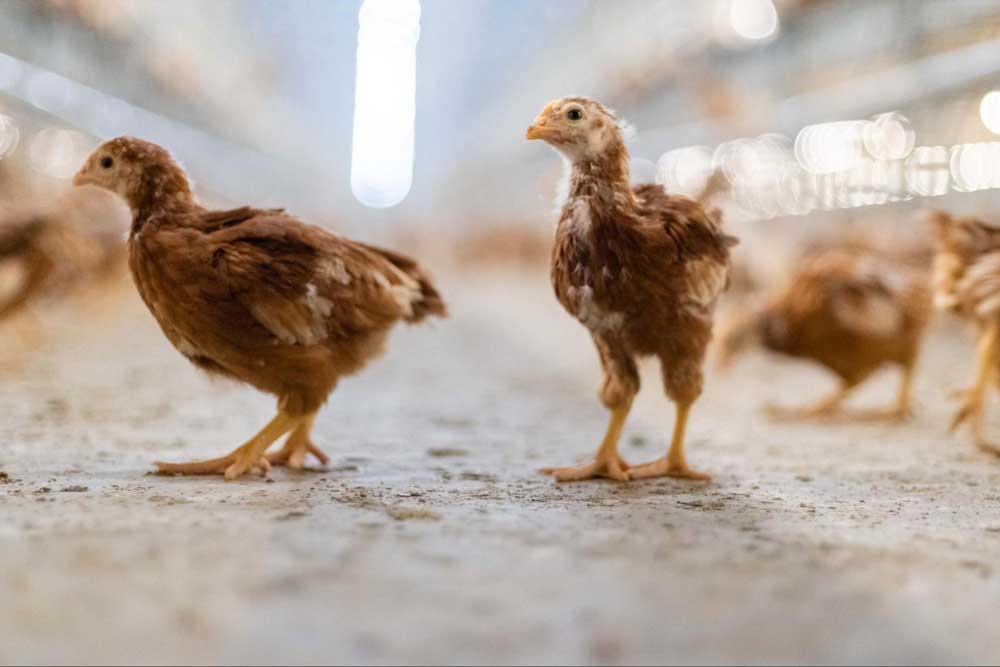
Pre-Killed
Blood is collected from pullets before they receive any inactivated or killed vaccines. This helps monitor how well live vaccines (given by spray or in the water) are being delivered. This also gives an accurate representation of what disease challenges are present in the pullet house. Seeing titers for a disease that the flock has not been vaccinated for are a sign changes may need to be made to the vaccination program. This should always be done in conjunction with your VCPR poultry veterinarian.
Post-Killed
These blood samples are collected at least 4 weeks after pullets have received their inactivated or killed vaccines. Post-killed serology gives a picture of how evenly the vaccines were given to the birds and how effective they are likely to be in providing protection against a disease challenge.
Routine
Blood collected for routine serology is used to assess the titers or antibody levels a flock has for a particular disease over time. Especially in egg layers, titers can wane as the flock gets older making them susceptible to disease. Routine serology can also catch a disease challenge circulating in the flock.
How to Look at Titers
Titers are a representation of how many antibodies a bird has to a particular disease. Titers are only present when a bird has been exposed to either a vaccination or the disease itself. When looking at a report, focusing on the Geometric Mean Titer or GMT will give you an idea of where the average titer levels are for the birds sampled.
Vaccination
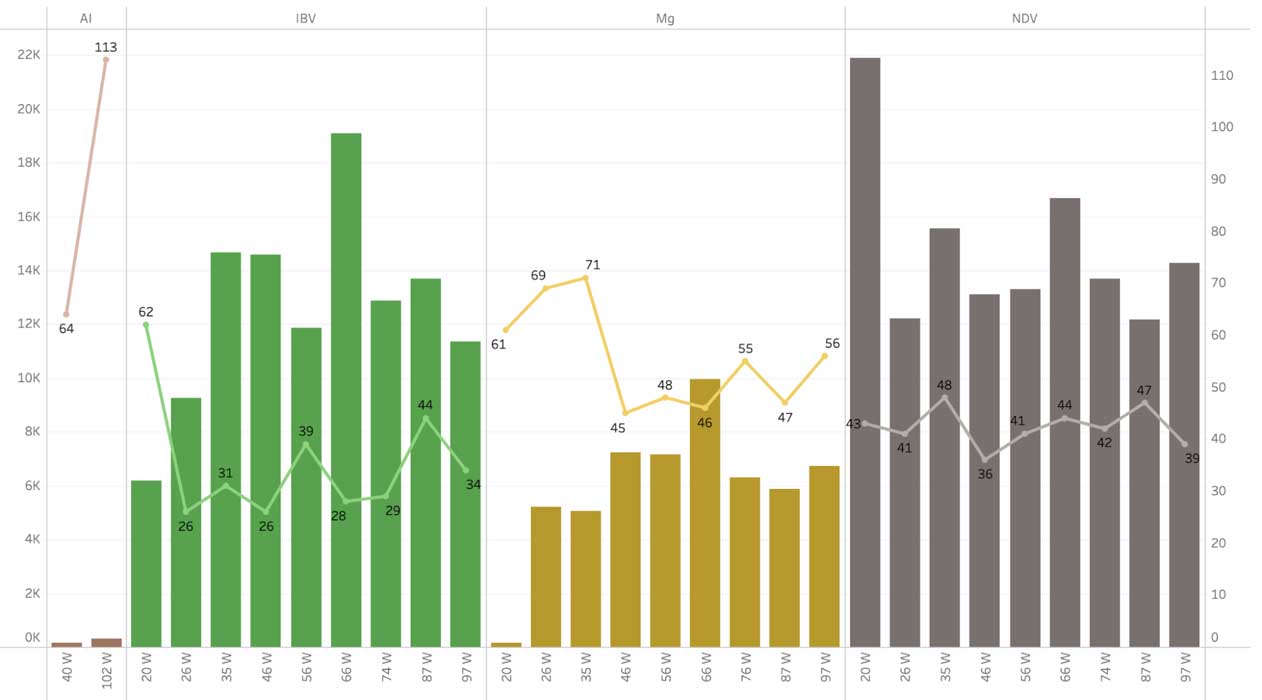
The exact numerical titer number will vary based on disease, flock age, and flock location, which makes reading them a skill. After vaccination, antibody levels should remain fairly consistent throughout the life of the flock. They may slowly decrease as a flock reaches 80-90 weeks, but the overall pattern is a flat line.
Disease Present
When a flock experiences a disease challenge, titers skyrocket. This is most evidently seen in routine serology, because titers can be compared from week to week. When a disease is present, the titer values increase significantly.
How to Look at CV
The CV is the Coefficient of Variation in a flock is an expression of how similar the titer levels from the birds sampled are to each other. If the number is lower, the titers are more uniform. If the number is higher, the titers are less uniform.
Healthy Flock
In general, a flock without disease that was well vaccinated should have a CV between 35 and 45. These numbers are not absolutes and should be taken into contact with the titer levels as well.
Sick Flocks
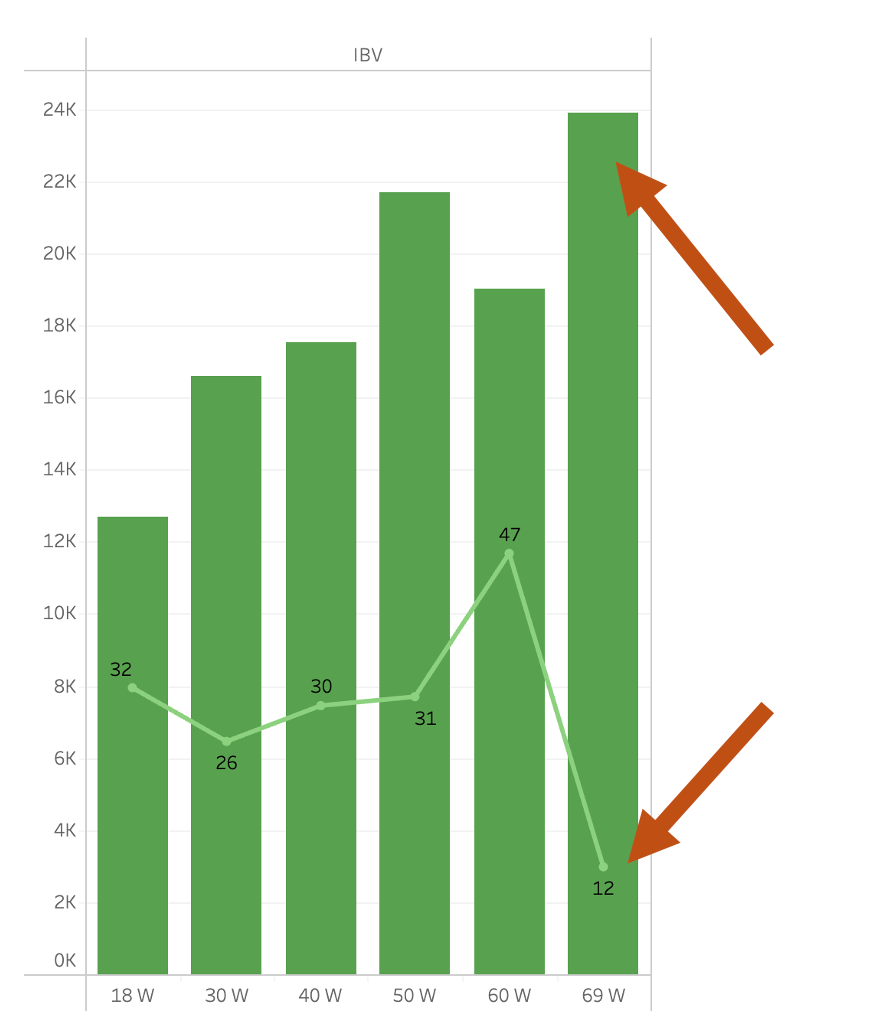
Flocks that are experiencing a disease challenge will have a CV value below 20. Just like in healthy flocks, this should be assessed hand in hand with the GMT.
Poorly Vaccinated Flocks
If a CV value is over 55 in post-killed serology, this is a sign that vaccination procedures may need to be evaluated. High CV values can also be seen later in lay when titers are waning. This is another sign that protection against disease has decreased.
Interpreting Serology
Taking all the information together and interpreting the serology for a flock can sometimes be more of an art than a true science. The vaccination program, flock age, flock location, breed, and even the ELISA serology kit used can all be factors to consider when interpreting results. This is why interpreting results along with your VCPR poultry veterinarian is an important step in determining the health status of a poultry flock.
Pro-Tips
- Generally, whenever titers rise very high and the CV value drops to below 20 this is a sign of a disease challenge in a flock.
- Likewise, if titers remain steady with a CV between 35 and 45 in a vaccinated flock, you can be pretty confident there is not a disease challenge present in the flock.
Fequently Asked questions
Q: What does GMT mean?
A: GMT stands for Geometric Mean Titer. It represents the average antibody level of the birds tested and helps determine whether immunity is stable, increasing, or declining over time.
Q: What does the CV tell me?
A: The Coefficient of Variation (CV) measures how uniform antibody levels are across the flock.
Q: What is considered a normal CV?
A: For a well-vaccinated, healthy flock, a CV between 35 and 45 is generally expected. However, CV values should always be interpreted together with the GMT and the flock's history.
Q: Can I interpret a serology report by itself?
A: Serology is only one piece of the puzzle. Vaccination history, flock age, production stage, clinical signs, disease pressure, and the ELISA test used all influence interpretation. Reviewing results with your VCPR poultry veterinarian provides the most accurate assessment of flock health.
Subscribe to our Newsletter
.png)
Ready to Work Together?
If you need a poultry veterinarian who understands the daily realities ofproduction, prevention and performance, Wilson Vet Co. is ready to help.
📞 Get In Touch.jpg)