What Is a VCPR in Poultry?
Why It Matters for Antibiotics, Flock Health, and Compliance


Key Takeaways (TL;DR)
- A VCPR allows veterinarians to diagnose, prescribe, and create flock-specific treatment plans.
- Maintaining a VCPR requires regular flock knowledge, site visits, and communication.
- Telemedicine can support care but cannot establish a VCPR in most states.
- An active VCPR helps support timely treatment, disease response, and regulatory compliance.
Why It Matters for Antibiotics, Flock Health, and Compliance
A Veterinarian–Client–Patient Relationship (VCPR) is the legal foundation that allows a poultry veterinarian to diagnose your birds, prescribe medications (including VFDs), and create flock-specific treatment plans. Without it, vets can only offer general advice. Some retailers and 3rd party welfare programs also require that farms have a poultry veterinarian with a VCPR for the farm locations.
A valid VCPR requires:
· Veterinarian responsibility for clinical decisions
· Client cooperation in following veterinary instructions
· Recent, informed knowledge of your flock through visits or data
· Availability for follow-up and emergency support
To maintain a VCPR, farms need regular site visits and ongoing communication so the veterinarian stays current on flock conditions. Telemedicine can support, but not establish, a VCPR in most states.
Bottomline: If you want timely prescriptions, tailored flock care, and effective disease response, an active VCPR is essential. Wilson Vet Co. is ready to help you get started.
If you raise poultry, you’ve likely heard the term VCPR tossed around by poultry veterinarians, integrators, welfare programs, or regulators. But what exactly is it and why is it so important for bird health and farm operations?
Let’s break it down.
What Is a VCPR?
VCPR stands for Veterinarian–Client–Patient Relationship.
Think of it as the foundation that allows a poultry veterinarian to truly work with your birds—not just give generic tips from afar.
A valid VCPR gives a vet the legal and ethical authority to diagnose, prescribe medications, and create treatment plans for your flock. Without it, their hands are tied. Your farm may also partner with 3rd party welfare programs that require your flocks have a poultry veterinarian with a VCPR for the premise.
Why Does a VCPR Matter?
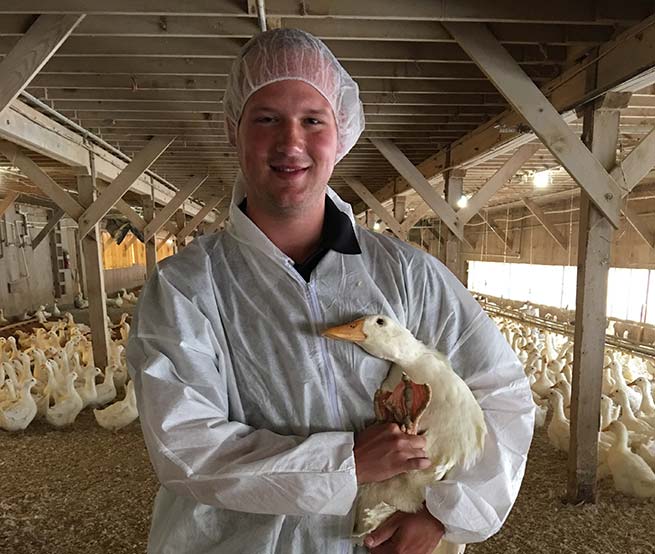
If your birds suddenly break with respiratory issues or production drops overnight, you can’t simply call any poultry veterinarian and expect a prescription or a flock plan. By law, veterinarians can only offer specific medical recommendations if a VCPR is already in place.
A VCPR is required before a poultry veterinarian can:
● Prescribe antibiotics
● Write a Veterinary Feed Directive (VFD)
● Make a medical diagnosis
● Issue health certificates
● Maintain certain poultry welfare programs
Without one, poultry veterinarians can still offer general advice, but nothing tailored to your flock’s needs.
How Do You Establish a VCPR?
Creating a VCPR isn’t complicated—it just requires four key pieces to fall into place:

1. Veterinary Responsibility
A poultry veterinarian must take responsibility for making clinical judgments about your flock. At Wilson Vet Co., this usually happens through a signed service agreement when a company or complex becomes a client. If there’s no contract, there’s no VCPR with us. It’s as simple as that.
2. Client Responsibilities
The poultry company agrees to follow the poultry veterinarian’s instructions. When your veterinarian provides recommendations to fix a problem found on the farm, you commit to following the protocols they outline. It’s a partnership.
3. Knowledge of the Patient (Your Birds!)
The poultry veterinarian needs adequate, recent knowledge of the flock to make informed decisions.
This usually means:
· A recent on-farm visit, and/or
· Regular access to flock records, performance data, and diagnostic lab results
4. Follow-Up Availability
The poultry veterinarian must be reachable for follow-up care or emergency support. At Wilson Vet Co., clients have access to our team 24/7 through hour Bird Health Help Line.
How Do You Maintain a VCPR?
Every state has its own nuances, but most agree on the same core principles. At Wilson Vet Co., we take a practical, common-sense approach; while ensuring we meet legal requirements and keep flocks safe.
Here’s how we maintain VCPRs with our clients:
Regular Site Visits
Nearly all states require an in-person farm or flock visit to establish (and sometimes maintain) a VCPR. Some require this annually; others simply say, “as clinically necessary.”
Your poultry veterinarian will determine what makes sense based on:
✔ Flock size
✔ Health issues
✔ Operation type
Our veterinarians routinely visit every client farm because regular boots-on-the-ground At Wilson Vet Co., we do not extend a VCPR beyond 12 months from the last visit to a complex.
Continuity of Knowledge
Even when flocks are performing well, regular flock visits ensure your poultry veterinarian has up-to-date information to make sound medical decisions. Consistent visits reinforce both the relationship and regulatory compliance.
VCPR and Telemedicine: What You Need to Know
Telemedicine is becoming more common in human health care, but veterinary rules are stricter.
● Telemedicine cannot be used to establish a VCPR.
● It can only be used after a valid VCPR already exists.
● Without a VCPR, veterinarians may offer general advice only- no prescriptions, no diagnoses.
For poultry operations, this means virtual consultations can support your flock only when your VCPR is active and up to date.

Fequently Asked questions
What is a VCPR?
A legal relationship that allows a poultry veterinarian to provide flock-specific medical care.
Why is a VCPR important?
It allows veterinarians to diagnose, prescribe medications, and create treatment plans.
How do you establish a VCPR?
It requires veterinary responsibility, client cooperation, current flock knowledge, and follow-up availability.
Can telemedicine establish a VCPR?
No. Telemedicine can support care after a valid VCPR is established.
Subscribe to our Newsletter
.png)
Ready to Work Together?
If you need a poultry veterinarian who understands the daily realities ofproduction, prevention and performance, Wilson Vet Co. is ready to help.
📞 Get In Touch.jpg)