How to Maximize Your Poultry Experiences as a Veterinary Student
.jpg)

Key Takeaways (TL;DR)
Poultry Curriculum in Veterinary School
Any vet student with an interest in poultry is always disappointed with the material that is covered in vet school. It is often a topic touched only briefly or passed over all together in classes. I often found myself asking, ‘How can I gain that experience outside of classroom time?’ Well, here are some tips and tricks to get amazing experiences!
American Association of Avian Pathologists (AAAP)
AAAP is something I wish I had known about sooner. It is very affordable for students and has amazing resources on their website geared towards students; such as scholarships, salary surveys, membership directory, job board, Avian Diseases Journal, and much more. You can also attend the AAAP convention. It is a great opportunity to network with poultry vets and other students interested in poultry and well as listen to poultry focused lectures. There are travel grants that can be applied for to cover the cost of attendance as well!

Use Your Network
Use your network of people to find opportunities. ‘You never know if you don’t ask.’ Even if you do not know a poultry vet directly you may know someone else who does who can help put you in contact. The poultry community is quite tight knit. Also don’t be afraid to reach out to people you have not met yet. Always be professional and clearly introduce yourself and your interests. Above all, be open to new experiences, you never know what might strike your fancy!
Get A Variety of Experiences
Reach out to different poultry producers to get as much experience as you can. Try to dabble in different species, you never know what might pique your interest or where you will end up. Understanding the management that goes into poultry production is important for poultry veterinarians. Management is key to healthy birds. Having experience in different types of poultry houses and with different species can have huge benefits. It provides insight into day-to-day running of houses when working to solve health problems.

Build Relationships
Creating a network of connections is key to success in gaining poultry experience as a student. Build relationships at every opportunity and amazing opportunities will present themselves.
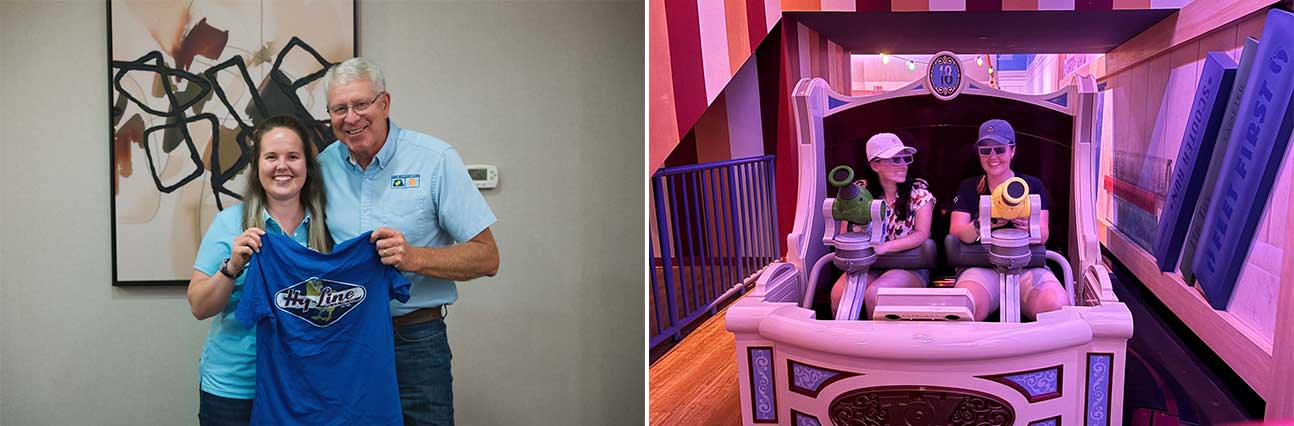
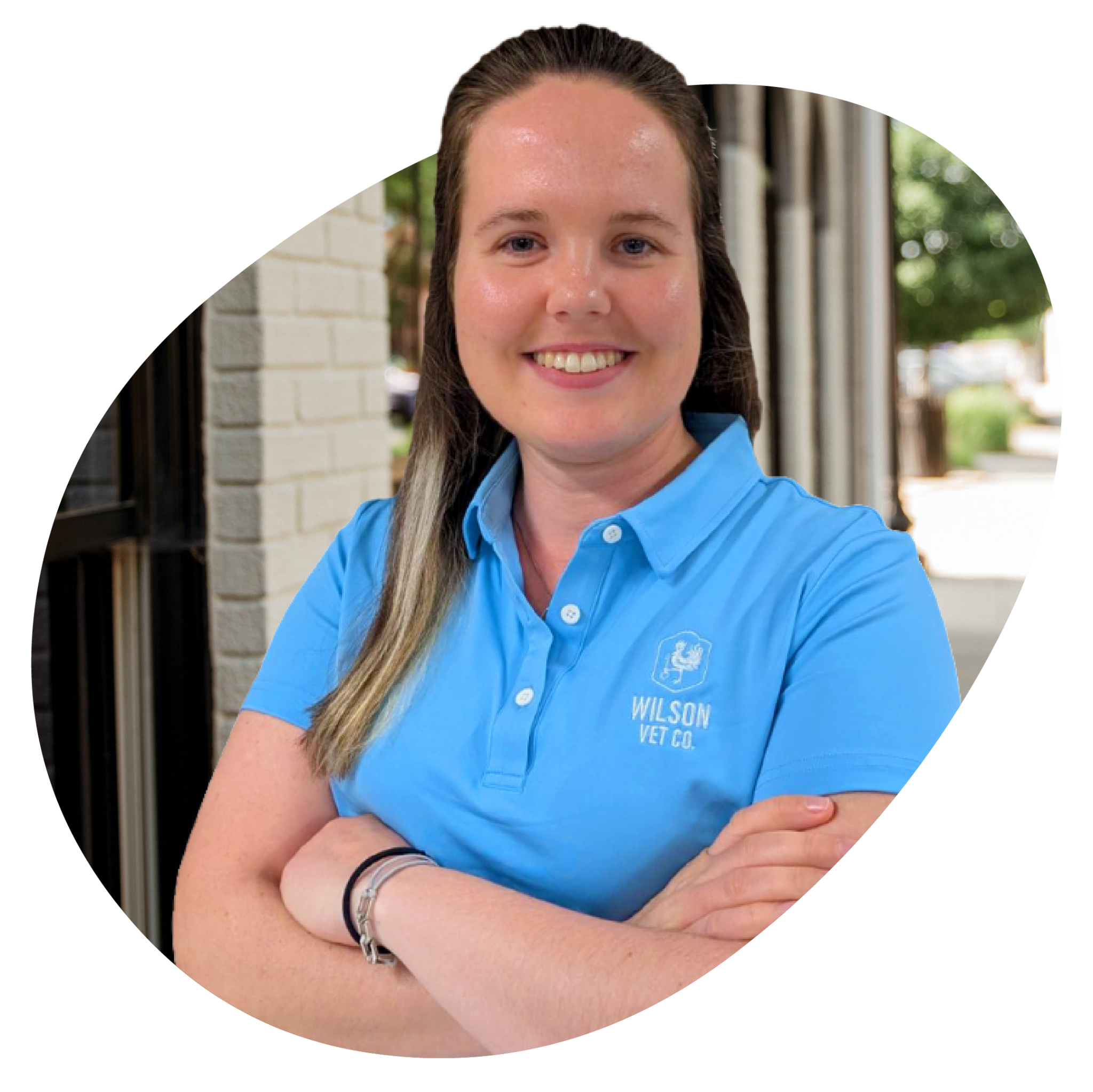
About the Author
This blog post was written by the rising 3rd year Purdue Veterinary Student, Anne Troyer. Anne spent the summer of 2026 with Wilson Vet Co. During her time she got experience working in egg layer health and management. Her project on Complicated Pullet Respiratory Syndrome (CPRS) will be submitted for presentation at the 2027 AAAP Meeting in Fort Worth, TX.
She is the Poultry Chair of the Food Animal Club at Purdue as well as a member of the Cat Club, Lab Animal Club, Exotic Animal Club and Surgery Club. Anne grew up with a backyard flock that got her into showing poultry at her local 4-H and sparked her initial interest in poultry. She then went on to complete the first session of the Midwest Poultry Consortium COE program and assisted with some poultry research in undergrad at Purdue. Anne has a bit of a green thumb and loves being outside in her garden or messing around with her house plants. Anne has one cat, an orange boy named Weasley.
Fequently Asked questions
Q: What is AAAP?
A: The American Association of Avian Pathologists is the professional organization for poultry veterinarians. https://www.aaap.info/home-aaap
Q: How often is the AAAP Meeting?
A: This is a yearly scientific meeting held in the summertime.
Q: How do I meet a specific poultry veterinarian?
A: Use your network of people to find opportunities. Even if you don’t know someone directly, you may know someone else who can help put you in contact.
Subscribe to our Newsletter
.png)
Ready to Work Together?
If you need a poultry veterinarian who understands the daily realities ofproduction, prevention and performance, Wilson Vet Co. is ready to help.
📞 Get In Touch