What's Lurking in Your Litter?
The Importance of Roundworm Monitoring


Key Takeaways (TL;DR)
- Roundworms are common intestinal parasites
- Although rare, severe roundworm infections can result in worms appearing inside shell eggs
- Routine OPG (ova per gram) fecal testing
- Monitoring results guide timely deworming
- Regular parasite monitoring, good sanitation, and strategic deworming
The Importance of Roundworm Monitoring
In My BREAKFAST?!
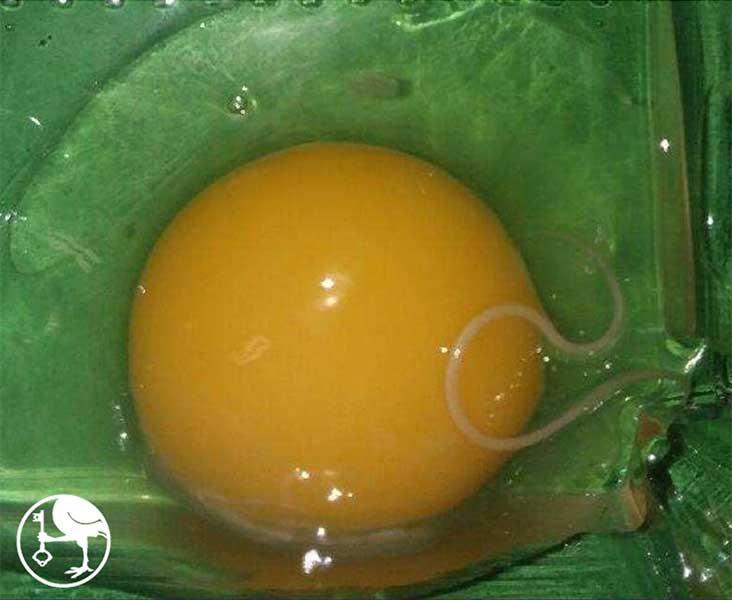
Imagine this, it’s Monday morning and you shuffle to the kitchen in your fuzzy house slippers. After starting the coffee machine, you pull out a carton of eggs to get breakfast going. Sunnyside with toast is on your mind. The sizzle of the eggs and the crunchy toast is all you can think of. As you break open the first egg and it lands in the pan, you stop. That can’t be right? There’s something in the egg…. OMG, it’s moving! Before you know it you’re screaming! This is absolutely DISGUSTING! The entire pan,the egg, it all ends up in the trash with the whole carton of eggs soon to follow. What the HECK was that?! You haven’t even had your coffee yet, and just found a WORM in your eggs. Quickly you open the top of the trashcan to peek at the egg carton. You’re absolutely never buying that brand again! …that is if you can stomach eggs ever again.
Scenarios like this are often followed by a customer service complaint. Without proper round worm egg (or OPG) monitoring and subsequent flock deworming, this can be a reality for your operation. Even though round worms don’t pose a huge risk to human health, they’re certainly not something anyone wants to find in their eggs.
What are Roundworms?
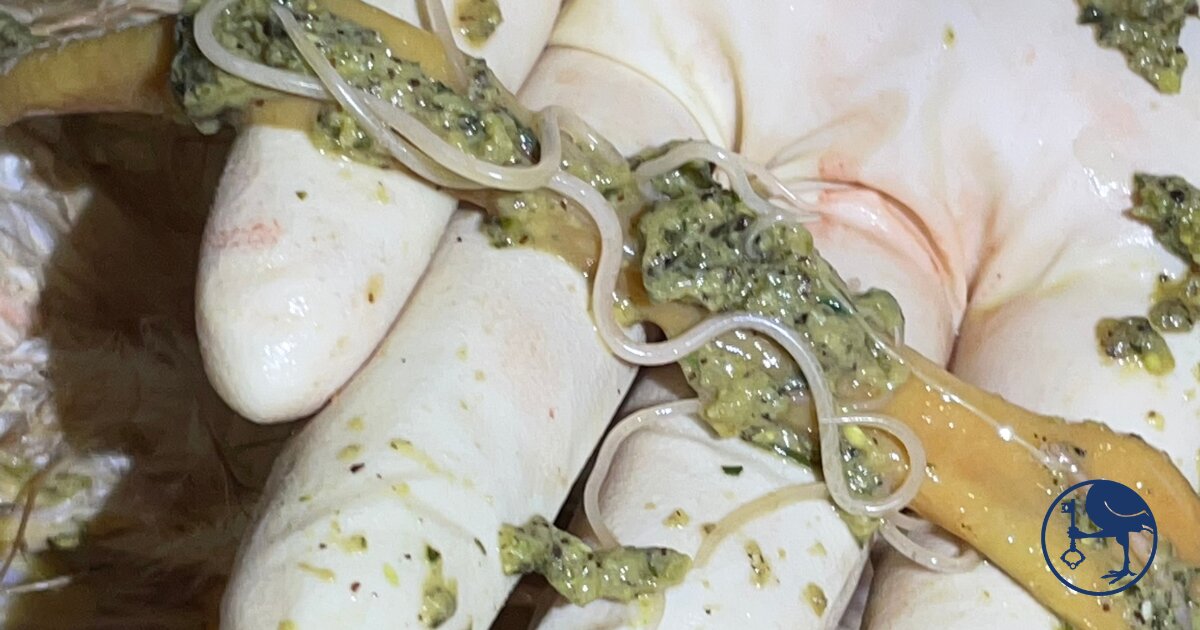
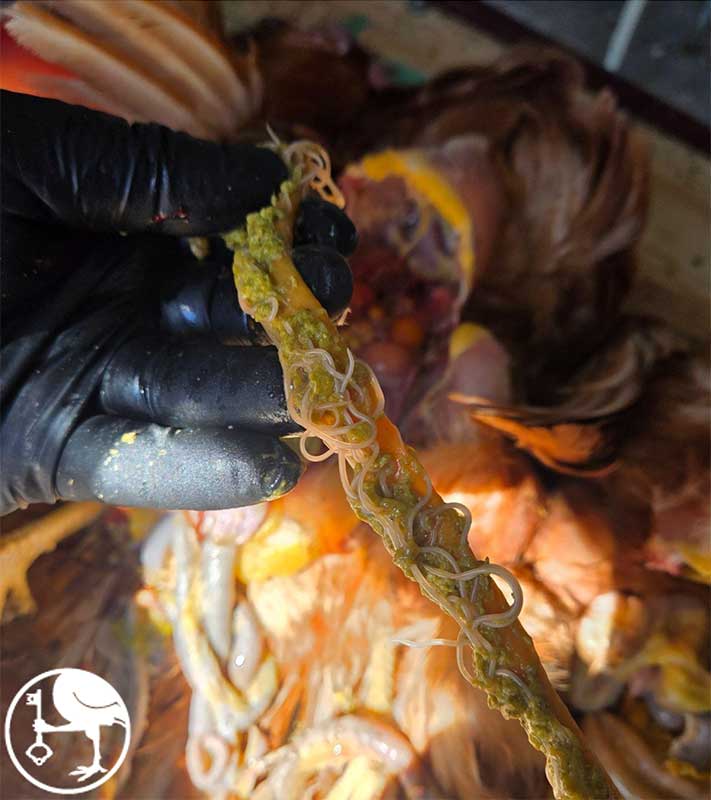
Roundworms are parasitic worms that live inside the digestive tract of chickens and other animals. The most common species affecting chickens is Ascaridia galli. These parasites feed on nutrients within the bird's intestines, reducing the chicken's ability to absorb the nutrition it needs to stay healthy.
Adult roundworms are typically white or cream-colored and resemble pieces of spaghetti. They can grow several inches long and are often visible in the droppings of heavily infected birds.
Although roundworms primarily live in the intestines, severe infestations can have significant effects on a chicken's overall health and egg production.
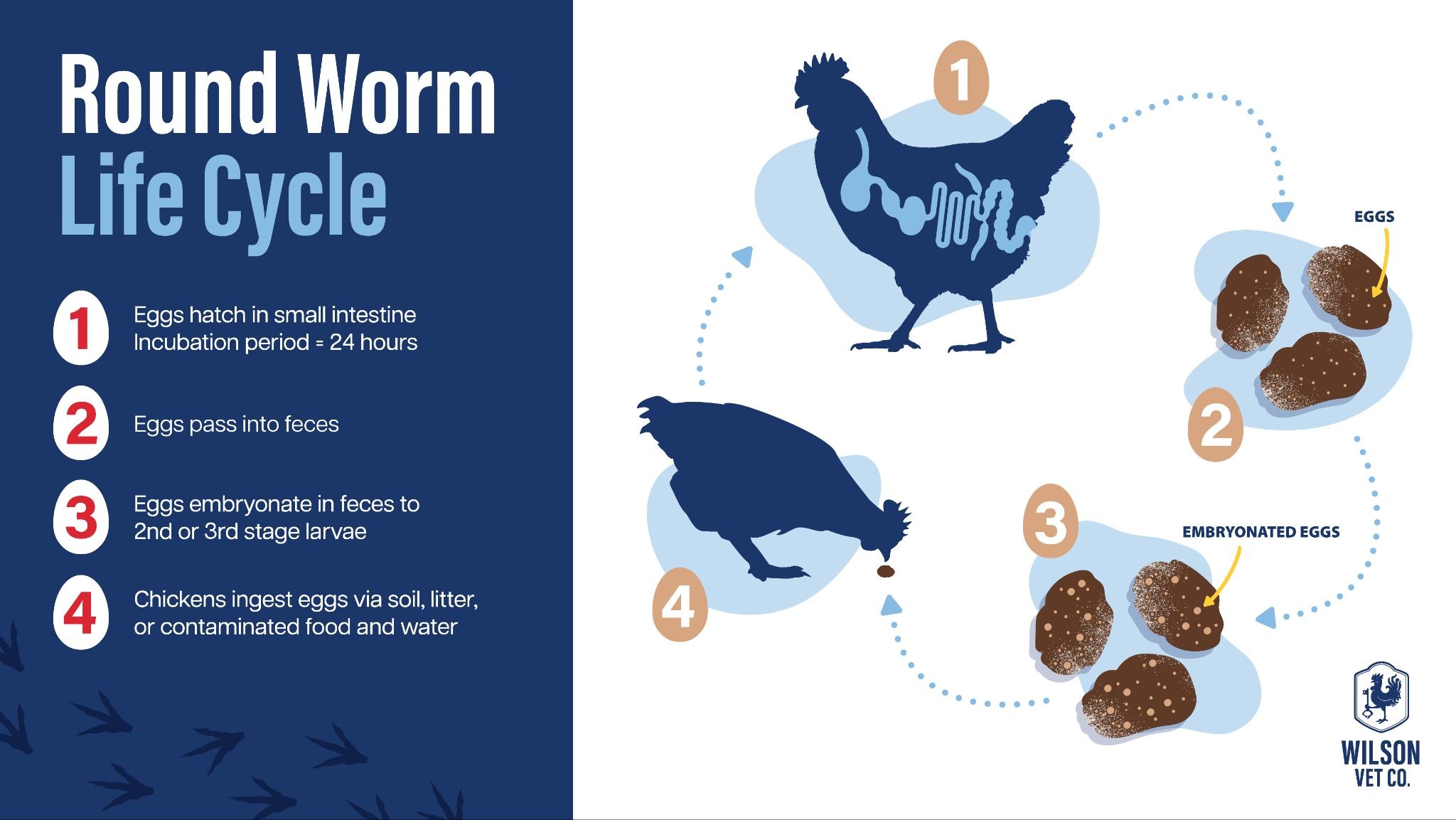
How Do Chickens Get Roundworms?
Roundworms in chickens spread through microscopic eggs that are passed in infected chicken droppings. These eggs can survive in soil, litter, and pasture for months or even years under favorable conditions.
Chickens becomeinfected when they:
● Peck contaminated soil
● Eat infected insects or earthworms
● Consume contaminated feed or water
● Scratch in areas where infected droppings have accumulated
Because chickens naturally forage on the ground, exposure to parasite eggs is difficult to avoid, especially in pasture and free-range flocks.
Do Roundworms Affect Egg Production?
Even though roundworms rarely enter eggs themselves, they can reduce both egg production and egg quality by affecting the health of the hen.
Heavy parasite infestations may cause:
● Reduced laying frequency
● Smaller eggs
● Thin or weak shells
● Poor overall egg quality
● Weight loss in laying hens
Because parasites compete for nutrients, infected hens may not receive enough protein, vitamins, and minerals to support consistent egg production.
How are OPGs Monitored?
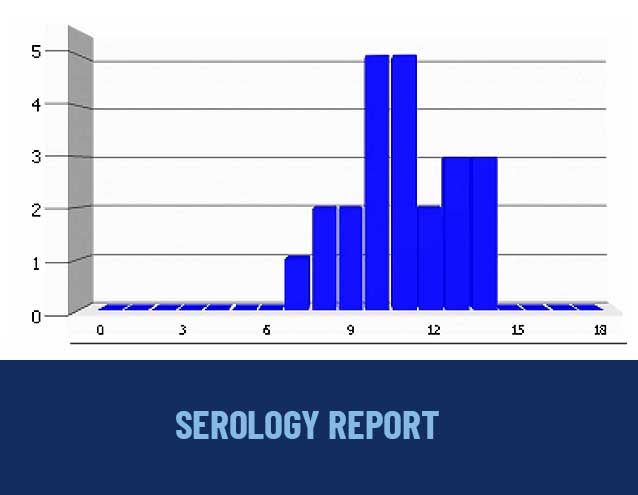
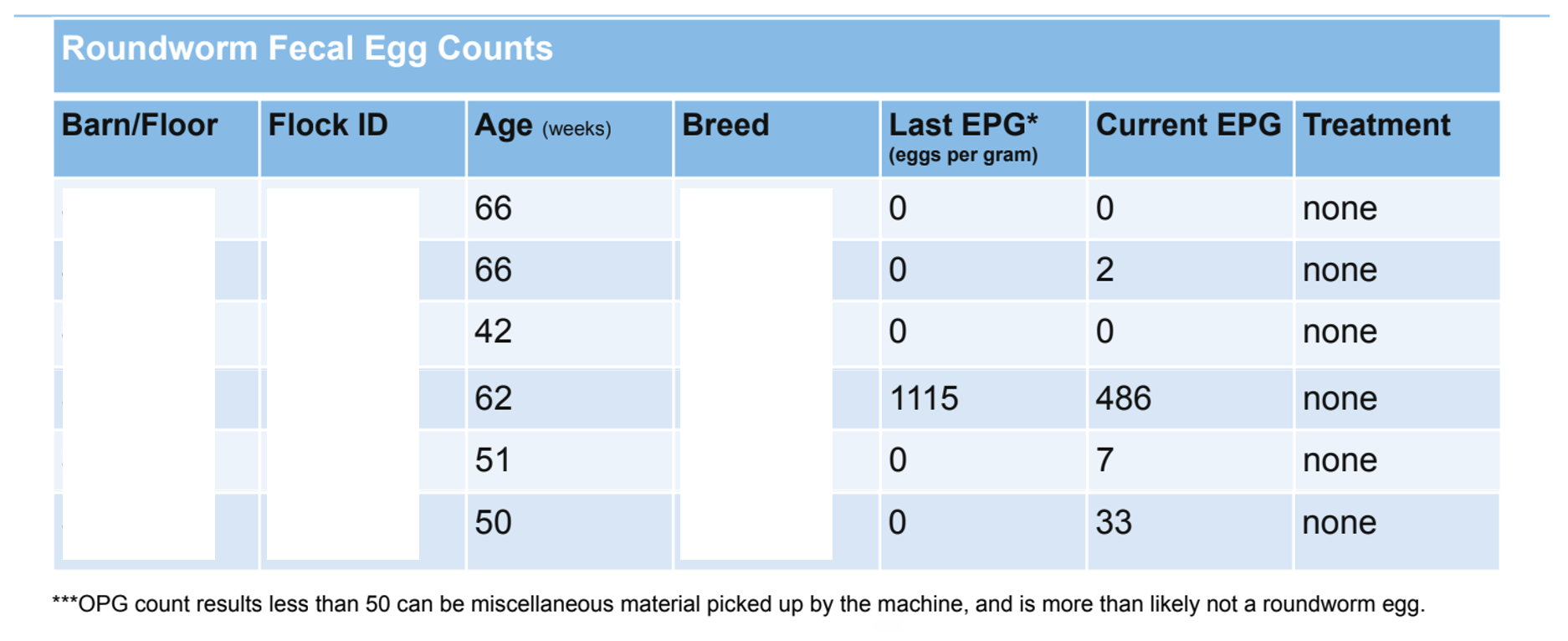
The level of roundworms present in a flock is determined by ova (worm egg) per gram (OPG) scores in the fecal droppings. To get accurate OPG counts, 20-30 fresh fecal samples are collected throughout the house. A minimum of 6 grams of feces is needed to run the test.
OPG results give an accurate snapshot of current worm burden in the chicken house. If OPG levels are elevated, it’s a good sign that a dewormer should be used on the flock.
Aside from impacting the health and welfare impacts to a flock, monitoring roundworm OPGs can be a useful and important tool to demonstrate proper corrective action progression that satisfy customers of egg companies.
Treatment Options
Treatment commonly involves approved deworming medications designed for poultry. Depending on local regulations and Organic status, medications may include products containing fenbendazole or other veterinary-approved antiparasitic drugs.
It is important to follow dosing instructions carefully and observe any required egg withdrawal periods if specified on the medication label or by your veterinarian.
In rare cases, treating birds or flocks with very high levels, AKA “load”, of roundworms can create adverse secondary impacts on a flock and even mortality. This is why monitoring of roundworm levels is an important part of any treatment program as is using the product with veterinary direction.
Fequently Asked questions
Q: Are pasture and free-range chickens more likely to get roundworms?
A: Yes. They have a greater exposure to contaminated soil, insects, and earthworms, increasing the likelihood of parasite infections.
Q: How often should my flock be dewormed?
A: Flocks benefit from routine OPG monitoring and treatment when necessary.
Q: What does OPG stand for?
A: Ova per gram (of feces).
Subscribe to our Newsletter
.png)
Ready to Work Together?
If you need a poultry veterinarian who understands the daily realities ofproduction, prevention and performance, Wilson Vet Co. is ready to help.
📞 Get In Touch