How Poultry Veterinarians and Nutritionists
Work Together on Poultry Farms



Key Takeaways (TL;DR)
• Poultry veterinarians and nutritionists are on the same team: Both want healthy, productive flocks.
• Health and nutrition are closely connected: Health, environment, and management affect nutritional needs, while nutrition influences flock health and performance.
• Flock data help tell the story: Feed and water intake, mortality, body weight, production, and other performance measures can help identify problems early.
• Communication is essential: Regular conversations among veterinarians, nutritionists, and farm teams lead to faster, better coordinated decisions.
Work Together on Poultry Farms
Let the Battle Begin?
It is a familiar story in poultry production. The veterinarian blames the feed, the nutritionist questions the diagnosis, and both are convinced they know what is best for the birds.
Most of the time, both professionals have the same goal. However, when communication breaks down or ego takes over, the flock ultimately pays the price.
Poultry health and nutrition are too closely connected to manage separately. Veterinarians and nutritionists bring different expertise to the table, but the best results come when they share information, investigate problems together, and develop a coordinated plan.
They are supposed to be on the same team, after all.
What Does Each Professional Do?
Before looking at how veterinarians and nutritionists work together, it helps to understand what each brings to the farm.
Poultry Veterinarian
A poultry veterinarian focuses on protecting flock health. They are responsible for: developing vaccination programs, monitoring disease, biosecurity programs, investigating mortality, and antimicrobial treatment.
Veterinarians also monitor indicators that may provide an early warning of a health problem. These are things like changes in mortality, feed or water intake. Additionally, body weight, egg production, egg quality, litter condition, or flock behavior can all be signs that something is wrong.
Poultry Nutritionist
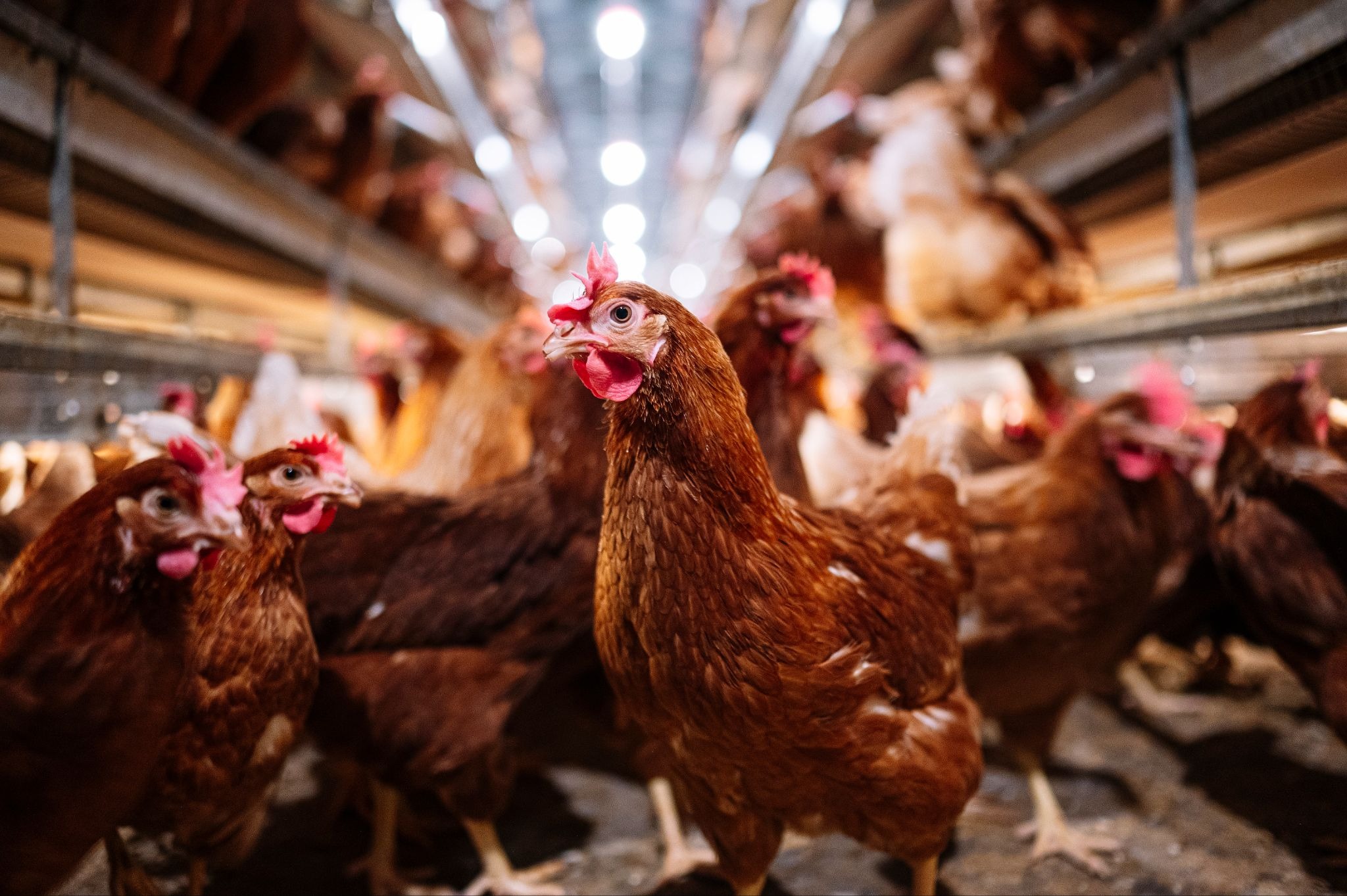
A poultry nutritionist develops feeding programs that provide energy, amino acids, vitamins, minerals, and any other nutrients a bird needs. Diets are adjusted based on flock age, genetics, production stage, environment, ingredient variability, and the farm’s production goals.
Nutritionists also evaluate feed ingredients, monitor feed quality, review feed manufacturing practices, and track feed intake and efficiency. Their role is not simply to make birds grow or produce more eggs. It’s to provide the right nutrients in the right amounts while supporting bird health, consistent performance, and responsible feed costs.
Although their daily responsibilities differ, veterinarians & nutritionists share the same overall objective: healthy birds that perform well.
Nutrition and Health are Connected
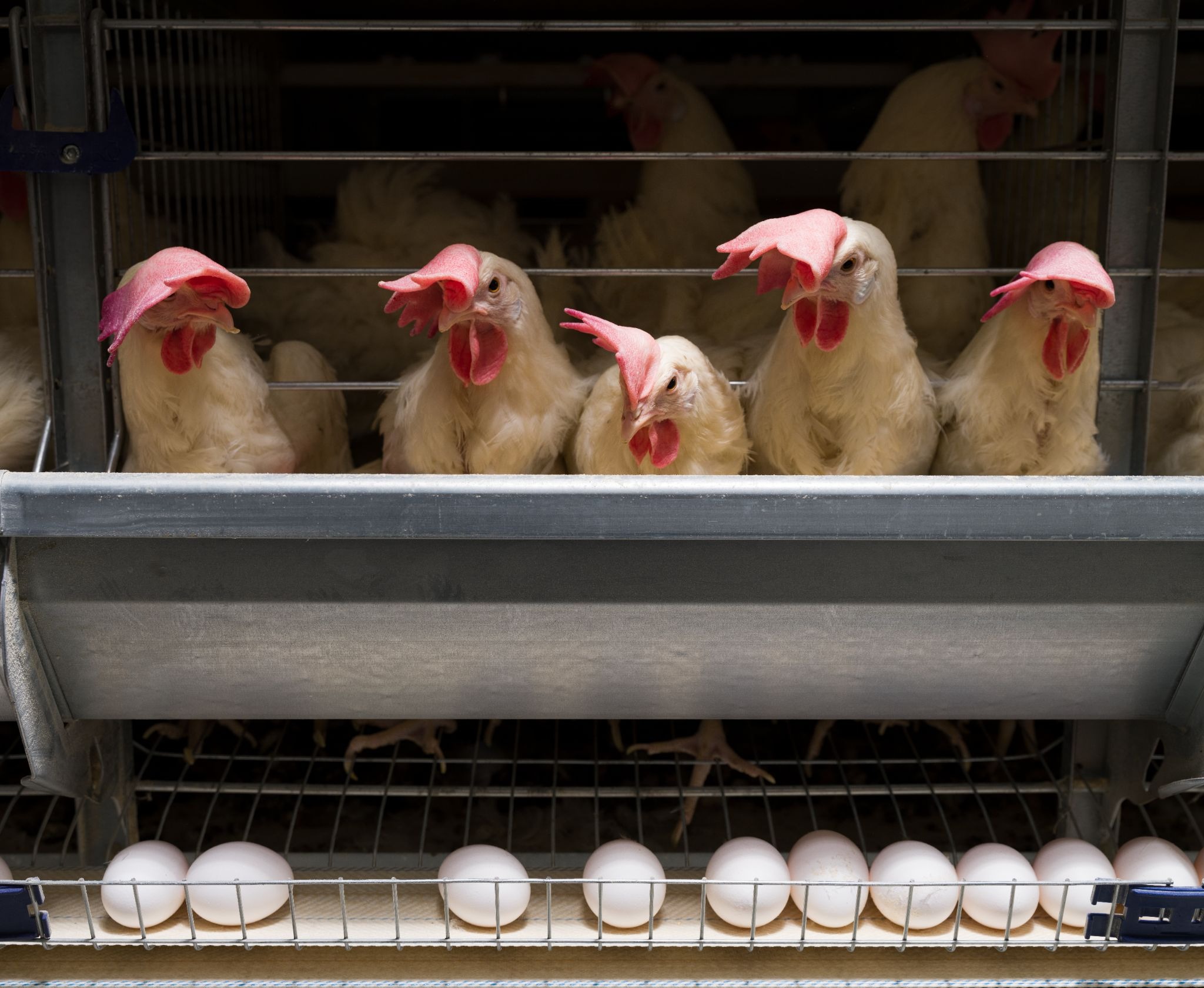
Nutrition supports nearly every aspect of poultry health, including immune function, digestive health, skeletal development, reproduction, and the bird’s ability to respond to stress.
Protein and amino acids are needed for growth, egg production, and tissue repair. Vitamins and minerals support bone development, immunity, and metabolism. Energy is required for maintenance, movement, growth, and production.
At the same time, health challenges can change how birds eat, digest, absorb, and use nutrients. An intestinal challenge may reduce nutrient digestion and absorption. Respiratory disease or an immune response may redirect nutrients away from growth or egg production. Heat stress commonly reduces feed intake and can affect nutrient utilization.
In other words, a diet that works well for a healthy flock may not fully address the needs of a flock experiencing disease, stress, or reduced feed intake.
This is where collaboration becomes especially valuable.
A veterinarian may identify evidence of poor intestinal health, while the nutritionist evaluates whether the feeding program, ingredient quality, or nutrient balance could be contributing to the problem. Together, they can develop a strategy that addresses both the underlying health issue and the nutritional needs of the flock.
Just as importantly, collaboration helps the farm avoid changing several things at once without understanding the original cause.
Let the Data Tell the Story
Poultry farms generate a tremendous amount of useful information, including:
- Mortality and culling records
- Feed and water consumption
- Body weight and flock uniformity
- Egg production, egg weight, and egg quality
- Feed conversion or feed efficiency
- Environmental conditions
- Vaccination and treatment records
- Laboratory and diagnostic results
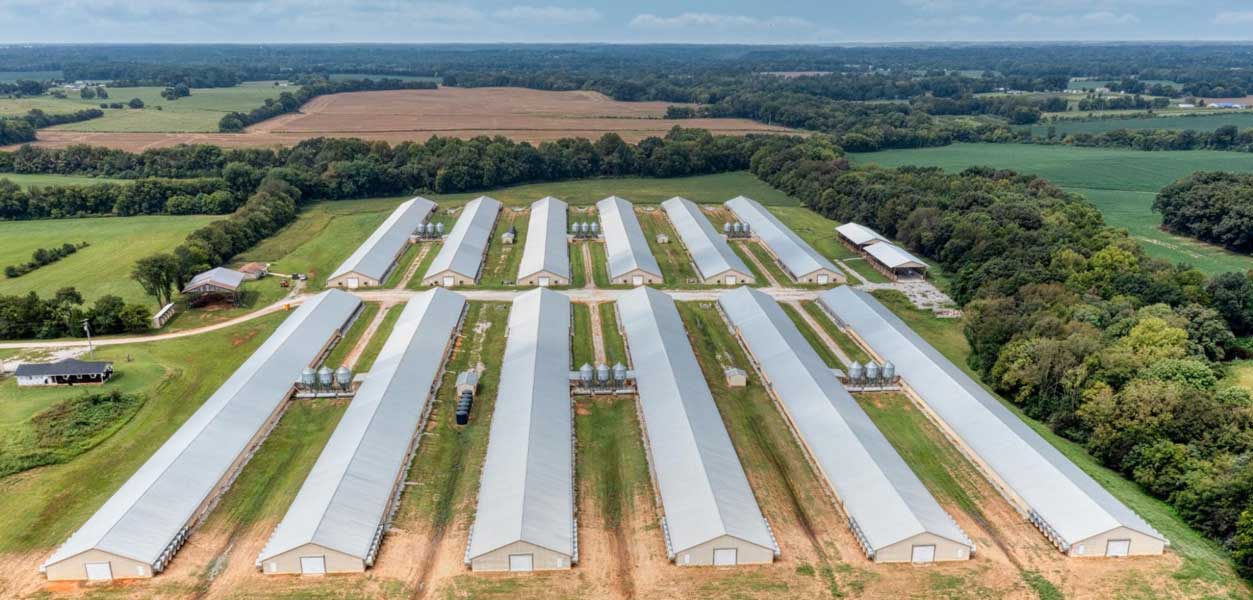
No single measurement usually provides the complete answer. The goal is to examine the timing and relationships among multiple changes.
For example, a nutritionist may notice that feed efficiency has gradually declined. Before reformulating the diet, the nutritionist can discuss the trend with the veterinarian and production team. That conversation may reveal an intestinal health challenge, a vaccination response, heat stress, or another factor affecting performance.
Likewise, if a veterinarian observes increased mortality or a drop in production, the nutritionist can review recent diet changes, ingredient batches, feed manufacturing records, nutrient specifications, and feed intake.
A practical investigation often begins with three questions:
- What changed?
- When did it change?
- Did anything else change at the same time?
Sharing data helps the team connect health, nutrition, environment, and management instead of evaluating each area in isolation.
Communication Is the Foundation
Technical expertise matters, but it is most valuable when it is shared.
In well-managed poultry operations, veterinarians, nutritionists, farm managers, feed mill personnel, and production teams communicate regularly about flock performance. This may happen through farm visits, production meetings, laboratory reports, phone calls, digital monitoring systems, or routine reviews.
The goal is not to hold more meetings. It is to make sure the right people have the right information early enough to act on it.
Communication also helps prevent conflicting recommendations. If a veterinarian recommends a health intervention, the nutritionist should understand whether it may affect feed intake, gut health, or nutrient utilization. Similarly, if the nutritionist changes a diet or ingredient, the veterinarian should know about that change when evaluating subsequent flock health and performance.
A coordinated team can investigate problems more efficiently, make more consistent recommendations, and respond before a small issue becomes a major one.
Better Together
Poultry veterinarians and nutritionists have different areas of expertise, but their responsibilities frequently overlap.
The veterinarian focuses primarily on flock health, disease prevention, diagnosis, treatment, vaccination, and biosecurity. The nutritionist develops feeding programs that meet the birds’ needs throughout each stage of production. Neither professional, however, sees the entire picture alone.
When veterinarians, nutritionists, and farm teams communicate openly, share data, visit farms, and investigate problems together, producers receive more practical and coordinated recommendations.
That collaboration supports healthier birds, better feed efficiency, consistent growth or egg production, improved animal welfare and food safety, and a more profitable poultry operation.
Fequently Asked questions
Q: What does a poultry veterinarian do?
A: A poultry veterinarian focuses on flock health, disease prevention, diagnosis, vaccination, treatment, biosecurity, and animal welfare.
Q: What does a poultry nutritionist do?
A: A poultry nutritionist develops feeding programs and helps ensure birds receive the nutrients they need for health, growth, reproduction, and egg production.
Q: How can feed intake indicate a health problem?
A: Changes in feed or water intake are often among the earliest signs of disease, stress, environmental problems, or changes in flock comfort.
Q:How does collaboration benefit poultry farms?
A: Collaboration helps farms identify problems earlier, avoid conflicting recommendations, and develop coordinated strategies that support bird health, production, feed efficiency, and welfare.
Subscribe to our Newsletter
Ready to Work Together?
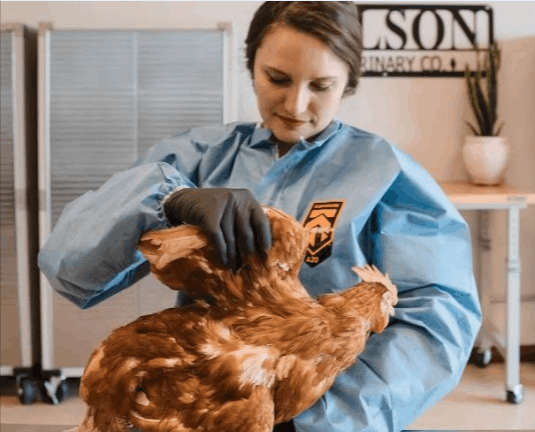
If you need a poultry veterinarian who understands the daily realities ofproduction, prevention and performance, Wilson Vet Co. is ready to help.
📞 Get In Touch