The Role of a Poultry Veterinarian
What to Expect


Key Takeaways (TL;DR)
What to Expect
If you’ve ever wondered what exactly a poultry veterinarian does—or how they help keep flocks healthy and productive—you’re in the right place. Whether you manage a large commercial operation or are simply curious about the science behind poultry health, understanding this specialized veterinary role offers valuable insight into the backbone of modern poultry production.
What Is a Poultry Veterinarian?
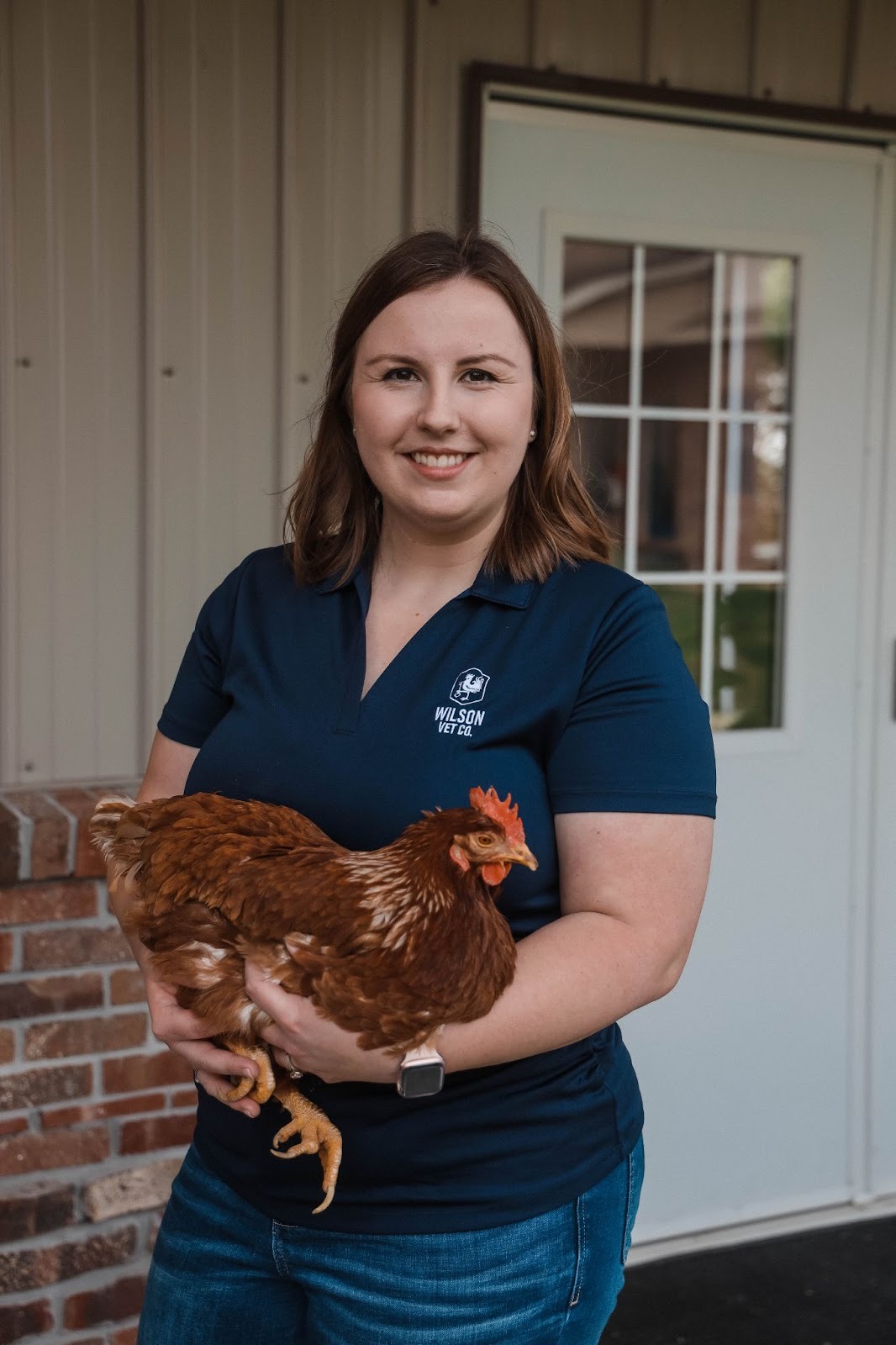
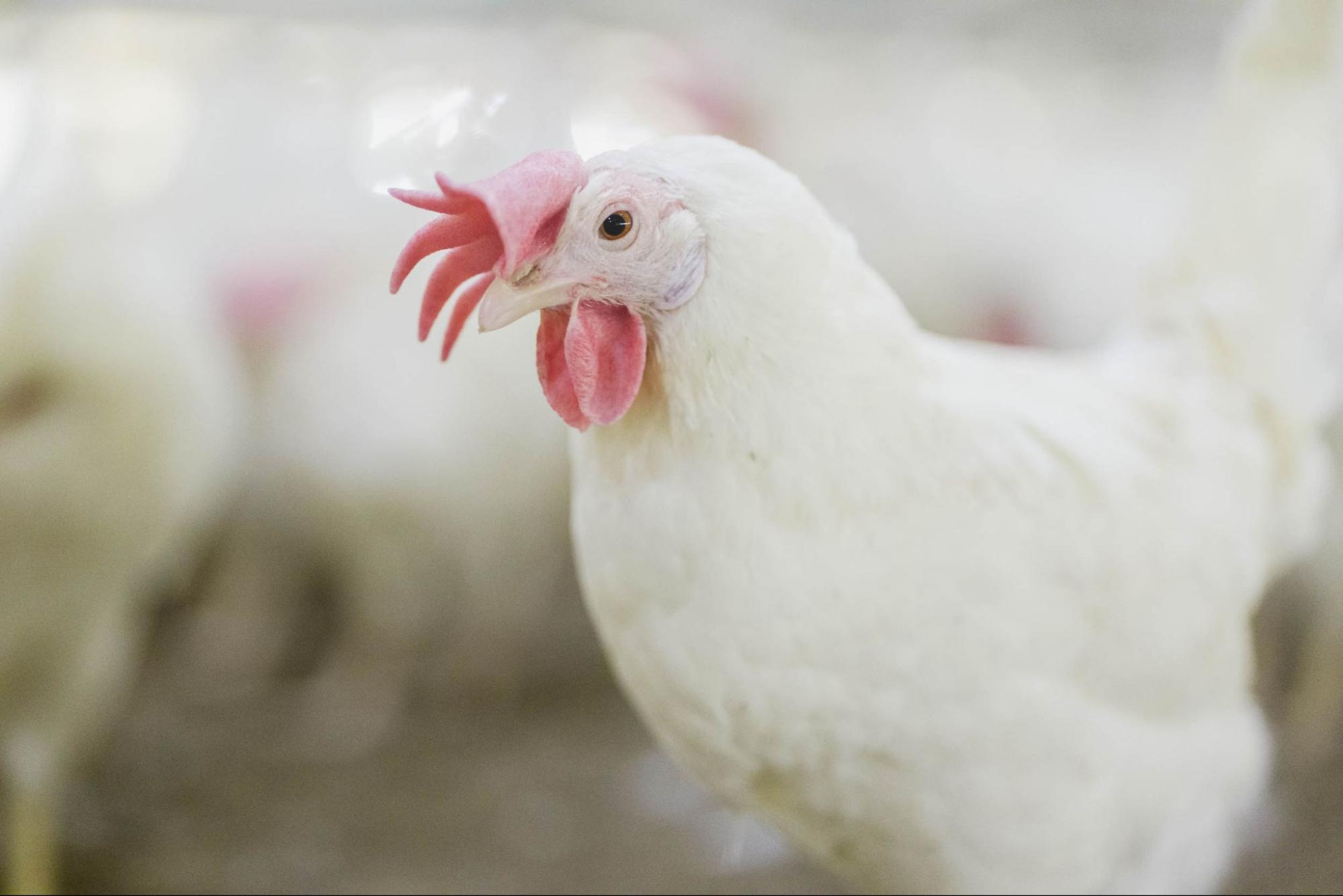
A poultry veterinarian is a veterinarian who focuses exclusively on poultry species—think chickens, turkeys, ducks, quail, pheasants, and chukars. These professionals play a crucial role in keeping flocks healthy, managing disease prevention, and ensuring food safety.
Unlike small-animal vets who might see pets one-on-one, poultry veterinarians typically work with commercial operations, often managing the health of thousands (or even millions) of birds. Their work focuses on preventive care, production efficiency, and rapid disease detection.
At Wilson Vet Co (WVC), our team brings together more than 50 years of combined field experience, supporting producers across the United States. We’ve seen—and found solutions to—many health challenges poultry producers face.
Fun Fact:
Did you know that a veterinary poultry pathologist isn’t the same thing as a poultry veterinarian?
A poultry pathologist is actually a veterinarian who has gone through additional specialty training in pathology—the study of disease. While poultry veterinarians often work directly with flocks, poultry pathologists typically work behind the scenes in diagnostic laboratories.
Their expertise helps uncover what’s really going on at a microscopic level. For example, they examine tissue samples and histology slides to help identify diseases affecting poultry. In other words, poultry pathologists are the disease detectives who support field poultry veterinarians in keeping flocks healthy!
What Tools Do Poultry Veterinarians Use?
Every poultry vet visit starts with biosecurity. Before stepping onto a farm, our veterinarians suit up in full personal protective equipment (PPE) to prevent the spread of disease between flocks or houses.
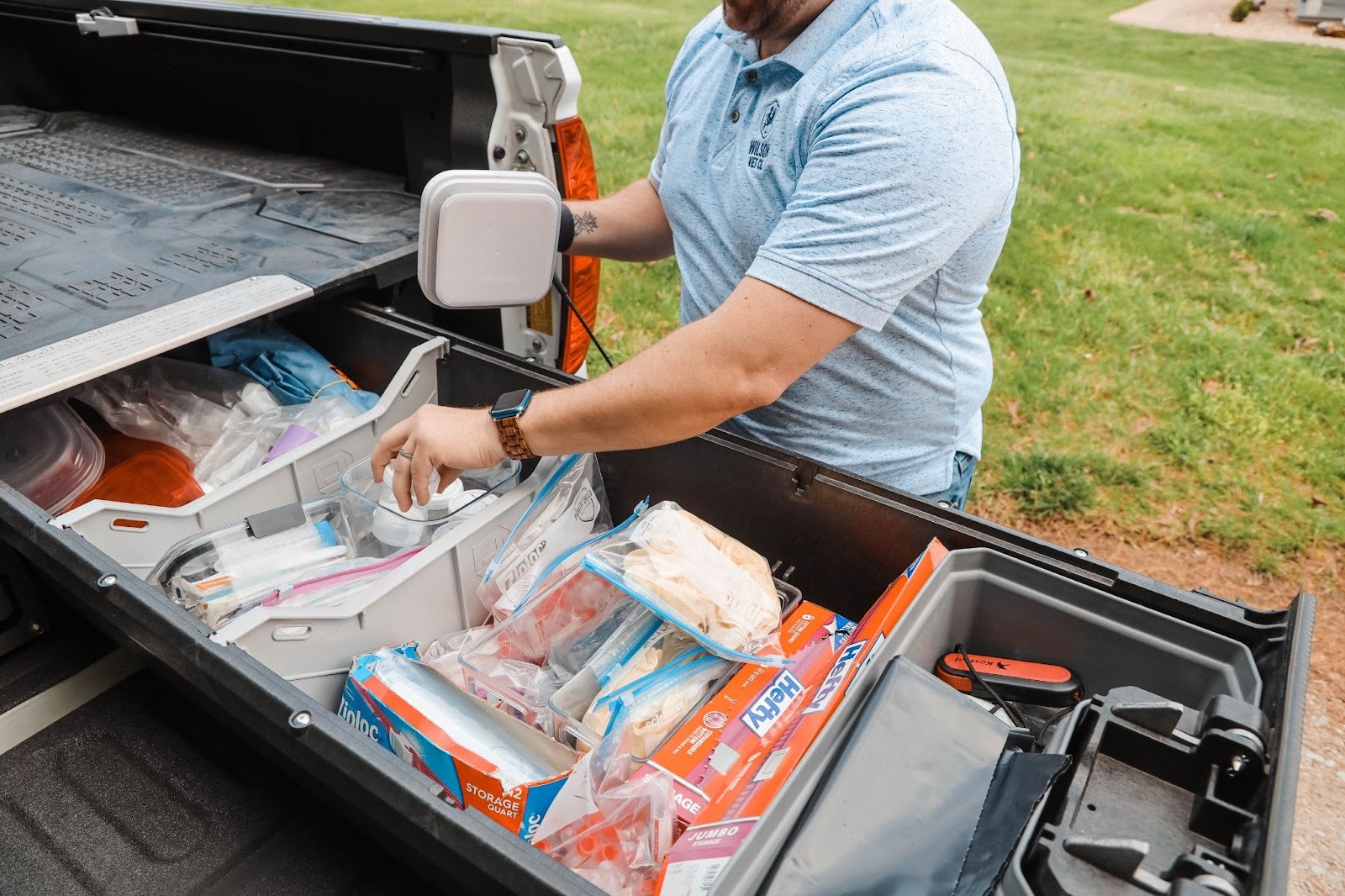
Once inside, veterinarians rely on a toolkit designed for both flock assessment and diagnostic sampling. Some of the essentials include:
- 🧤 PPE gear for biosecurity
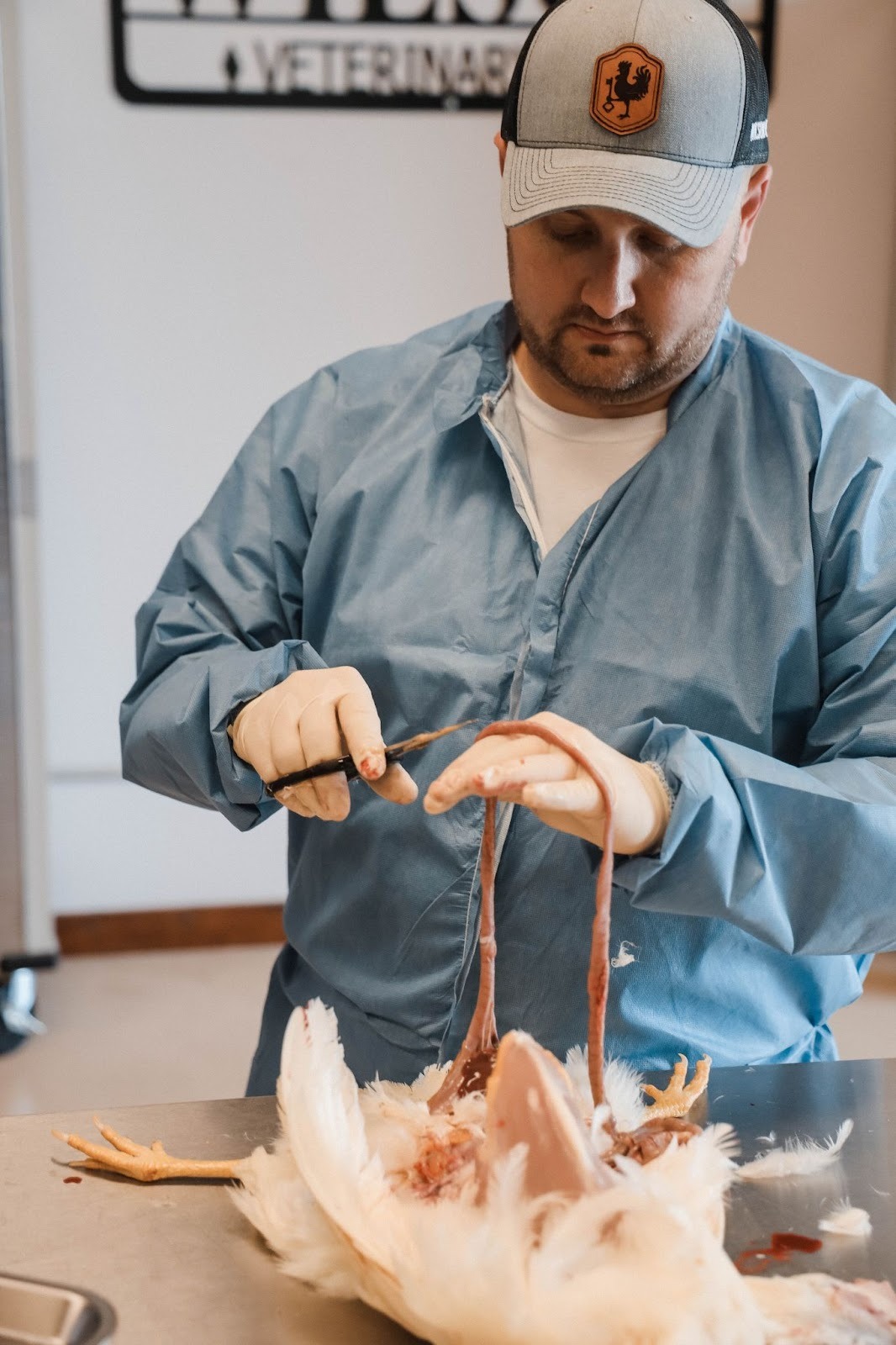
- ✂️ Scissors or knives for necropsies (a key diagnostic tool)
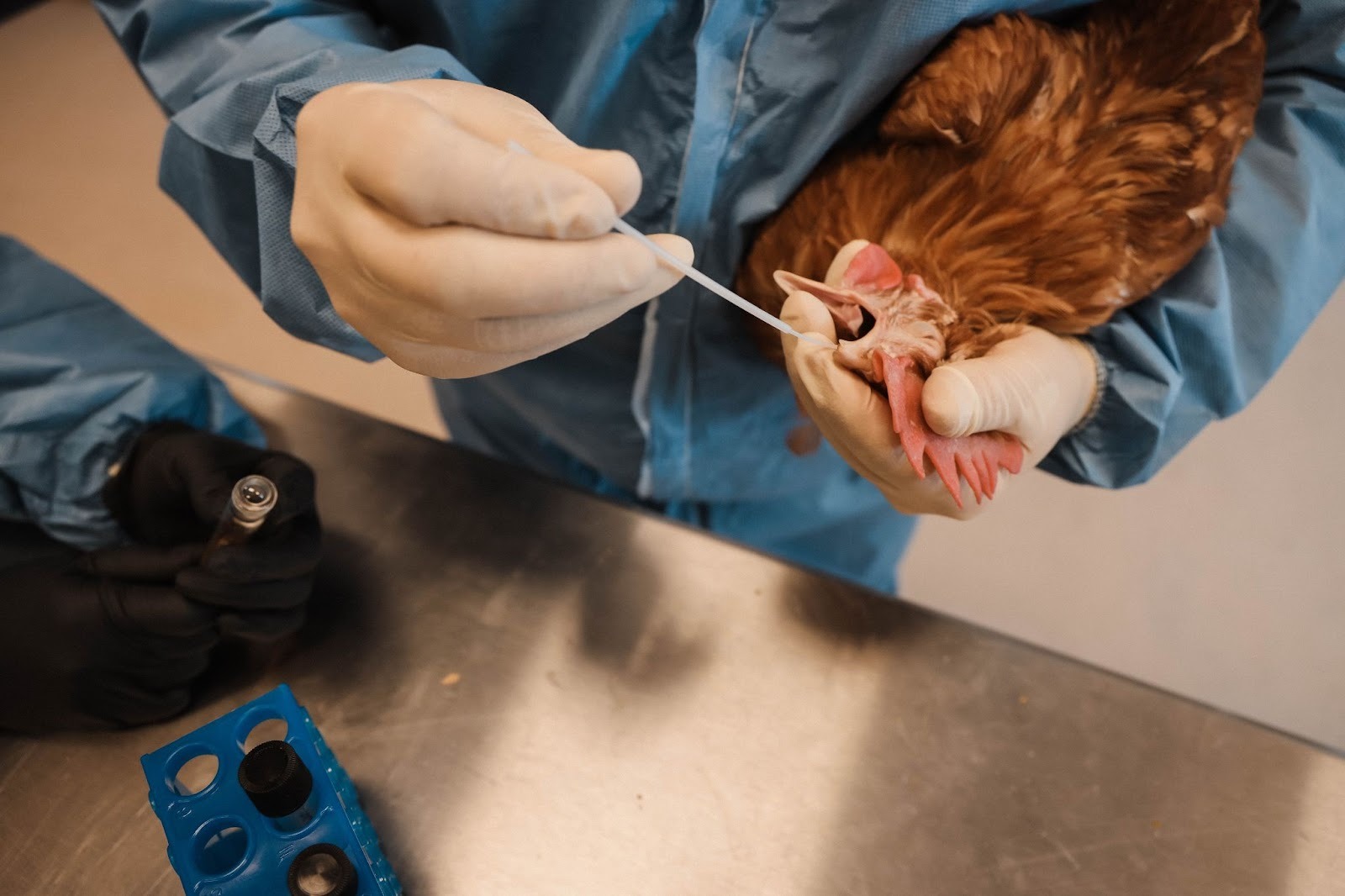
- 🧪 Formalin jars, sterile bags, blood tubes, and swabs for collecting samples
- 💉 Needles and syringes for testing and diagnostics
What Happens During a Poultry Farm Visit?
A veterinary farm visit is far more than a simple walk-through—it’s a comprehensive look into the overall health, performance, and environment of your flock.
Here’s what you can expect when your poultry vet visits your farm:
1. Record Review & Analysis
Every visit begins with a review of your flock’s recent production and health records. Your veterinarian examines performance data, mortality reports, and other key metrics to identify trends, red flags, or opportunities for improvement. (Tip: Having these records organized ahead of time helps your visit run smoothly and productively.)
2. Facility Walk-Through
Next comes a detailed walk-through of your barns or poultry houses. The veterinarian observes bird behavior, housing conditions, ventilation, feed & water systems, and general flock interaction. In some cases, they may return after dark to assess nighttime flock behavior and environmental changes.
3. Problem Identification & Diagnostics
If there are active health or performance issues, your vet will assess the problem areas in real time. Routine diagnostics (along with special investigations when needed) help uncover health factors that might not be immediately visible.
4. Bird Examination & Necropsy
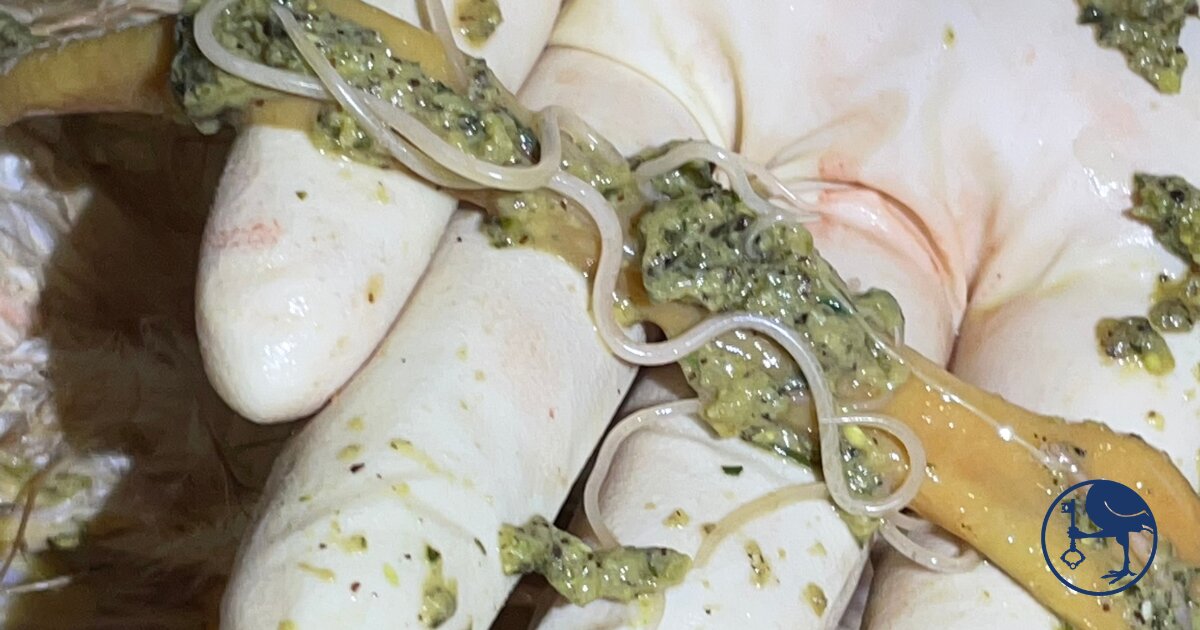
The veterinarian will examine both healthy and sick birds to assess overall condition. When necessary, birds may be humanely euthanized for necropsy (postmortem examination). This step is essential for accurate disease diagnosis and for shaping effective prevention or treatment plans.
5. Reporting & Partnership
At the end of the visit, you’ll receive a detailed report summarizing findings, diagnostics, and recommendations. Your veterinary team will discuss next steps and partner with you to achieve your flock health and production goals.
Diagnostic Testing: Getting the Full Picture
At Wilson Vet Co, we partner with trusted laboratories across the country to provide accurate, fast, and actionable diagnostic results. Depending on your flock’s needs, testing options may include:
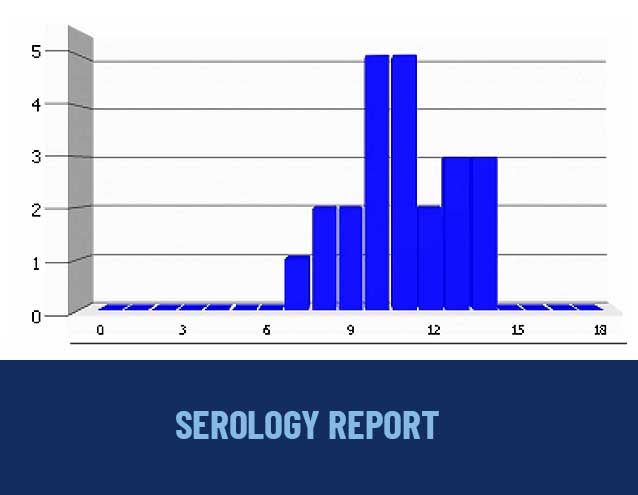
- Serology
- Histopathology
- Polymerase Chain Reaction (PCR)
- Virus Isolation (VI)
- Genetic Sequencing
- …and more.
Fequently Asked questions
What does a poultry veterinarian do?
They help manage flock health, prevent disease, and support production efficiency.
What happens during a poultry farm visit?
The veterinarian reviews records, evaluates the facility, identifies problems, performs diagnostics, and examines birds.
What diagnostic tests do poultry veterinarians use?
Testing may include serology, histopathology, PCR, virus isolation, and genetic sequencing.
Why are regular veterinary visits important?
Regular visits help identify health and performance issues early and support informed flock management.
Subscribe to our Newsletter
.png)
Ready to Work Together?
If you need a poultry veterinarian who understands the daily realities ofproduction, prevention and performance, Wilson Vet Co. is ready to help.
📞 Get In Touch