Ready, Set, Audit:
BCAP Preparation Tips


Key Takeaways (TL;DR)
- BCAP verifies that biosecurity practices are followed daily, not just documented
- Compliance helps secure indemnity and faster restocking after HPAI outbreaks
- Audits focus on key areas like access control, sanitation, training, and feed/water safety
- Preparation should be ongoing, with internal audits, training, and solid documentation
- Common challenges include inconsistent execution, labor turnover, and complacency
BCAP Preparation Tips
I Love Audits! (Sarcasm)
Wait, ANOTHER audit... ugh! There are chickens to take care of, feed to run, and the bloody fans are broken again! How does anyone keep up with what seems like an endless number of “meaningless audits?!” Doesn’t anyone know it’s the birds that are important, not remembering to have the latest version of a stupid form at every facility?
This is a common sentiment among producers. Balancing the daily grind of everything that goes along with raising commercial poultry, sometimes the audit process gets lost in the mix. However “meaningless” it can feel in the day-to-day drudgery, making sure your facility is up to date on the BCAP audit can be the difference between receiving indemnity and not getting anything in the event of an HPAI break on your farm. Pretty important after all!
Understanding BCAP: More Than a Paper Exercise
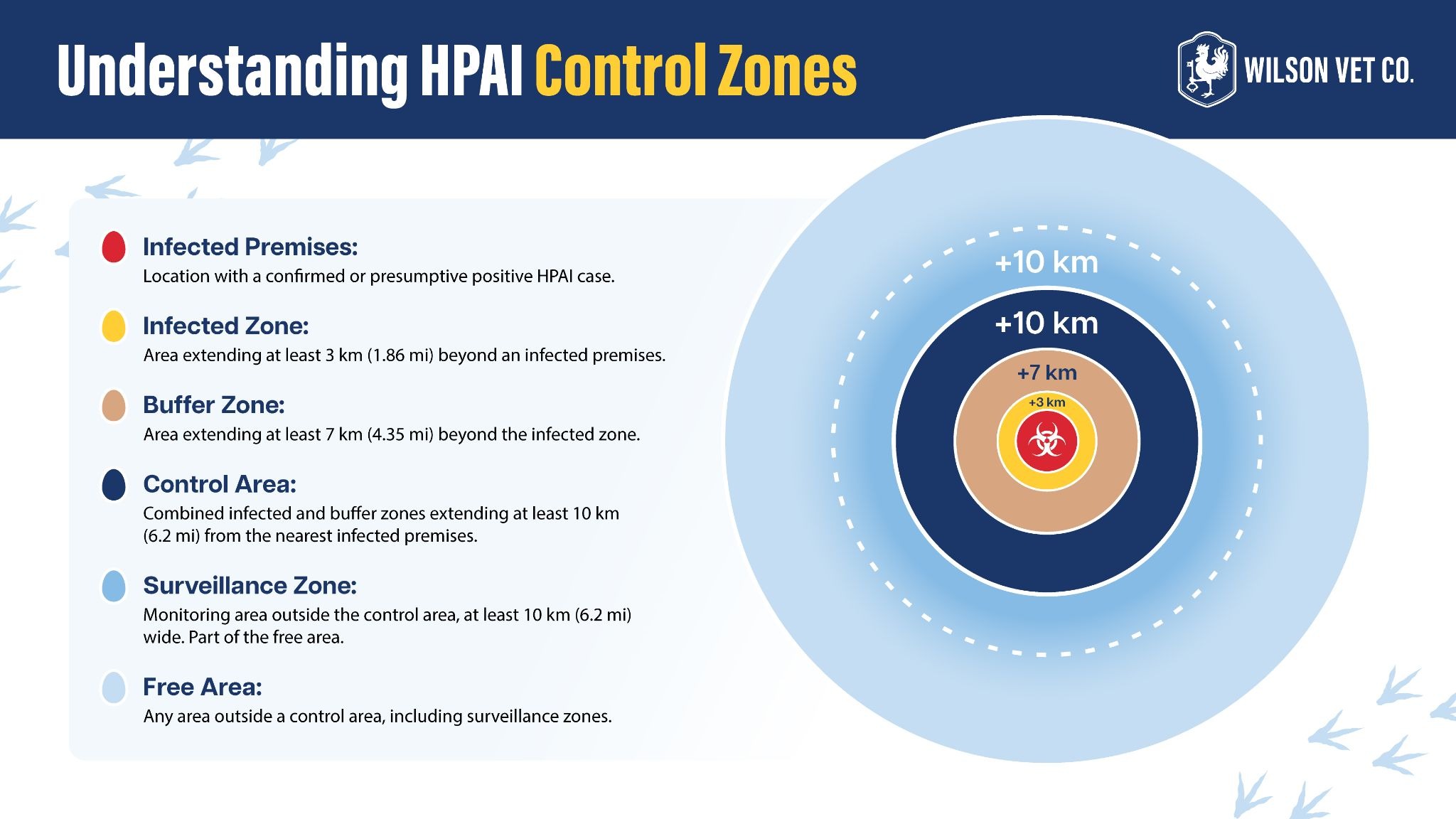
The Biosecurity Compliance Audit Program (BCAP) was created to help ensure poultry farms are following strong biosecurity practices that reduce the risk of disease. The program evaluates whether farms meet the biosecurity standards established by the National Poultry Improvement Plan (NPIP), which have become the industry benchmark for protecting flock health. BCAP is a USDA-required audit for commercial poultry farms seeking to restock after a Highly Pathogenic Avian Influenza (HPAI) infection, as well as farms located within a Control Area (the 10-kilometer zone surrounding an infected premises). Passing the audit is a key step in demonstrating compliance with biosecurity requirements and maintaining eligibility for indemnity.
BCAP compliance is not just about checking boxes. It is an ongoing verification process that evaluates whether protocols are actually being followed in day-to-day operations. Auditors are looking for consistency, documentation, and real-world application, not just written plans sitting in a binder. For producers, this means HPAI biosecurity must be operational, not theoretical.
In the event of an HPAI detection, farms that are BCAP-compliant are better positioned for indemnity payments and faster approval to restock. Without BCAP compliance, delays can occur, extending downtime and financial losses.
Key Components of BCAP
While specific audit criteria may vary slightly by state or auditor, most BCAP evaluations focus on these seven core areas:
1. Perimeter Buffer Area (PBA)
This is the outer control boundary of your farm. Auditors will assess how well access is controlled, including signage, gates, and vehicle entry procedures.
2. Line of Separation (LOS)
The LOS is the critical barrier that separates “clean” poultry areas from potential contamination. This is often the most scrutinized element.
3. Personnel Training and Protocols
Biosecurity is only as strong as the people implementing it. A major audit failure point is when employees cannot explain or demonstrate procedures they are supposed to follow.
4. Controlled Access and Visitor Logs
Tracking who enters the farm is essential. Maintaining detailed visitor logs, restricting non-essential visitors, and verifying downtime requirements are key.
5. Cleaning and Disinfection (C&D)
From equipment to vehicles, sanitation procedures must be consistent and verifiable. Auditors will check availability of disinfectants, proper mixing & contact times, and documentation of C&D activities.
6. Mortality Management
Dead bird handling can be a significant disease vector if not managed properly. Key elements of this area are timely removal and minimizing exposure to scavengers for poultry disease prevention.
7. Water and Feed Security
Contaminated feed and water are a potential pathway for disease introduction. Focus areas for the audit include protection from wild birds and clean bin storage.

Link to USDA APHIS BCAP Audit Tool: https://www.aphis.usda.gov/sites/default/files/biosecurityaudit.pdf
How to Prepare for a BCAP Audit
Preparation should be continuous, not something done the week before an audit. The most successful poultry producers treat BCAP as part of daily operations.
Conduct Internal Audits: Regular self-assessments help identify gaps before an official poultry farm audit. Walk through your farm as if you were the auditor. Look for inconsistencies, shortcuts, or unclear procedures.
Keep Documentation Organized: If it isn’t documented, it didn’t happen (at least from an audit perspective). Maintain clear records of training sessions, visitor logs, cleaning schedules, and corrective actions.
Train for Real-World Scenarios: Don’t just train employees on what to do, train them on why it matters. When staff understand the consequences of failure, BCAP compliance improves significantly.
Fix Small Issues Early: Minor problems, like missing signage, can lead to audit failures. Address them immediately rather than letting them accumulate.
Common BCAP Compliance Challenges
Even well-managed operations can struggle with BCAP. Some recurring challenges include:
“Protocol Drift”: Over time, employees may begin skipping steps or taking shortcuts. This gradual erosion of BCAP compliance is one of the biggest risks to biosecurity.
Labor Turnover: New employees may not be fully trained or may not take biosecurity seriously without proper onboarding and supervision.
Time Pressure: Busy production schedules can lead to rushed procedures. Unfortunately, biosecurity failures often happen when people are trying to save time.
Complacency: If a farm has never experienced HPAI, it’s easy to underestimate the risk. This mindset can undermine even well-designed biosecurity plans.
Other Resources:
USDA:
- https://www.youtube.com/watch?v=-HfmFheRH2g&t=1s
- faq-hpai-biosecurity-assessments.pdf
- https://www.aphis.usda.gov/sites/default/files/hpai-surveillance-commercial-premises.pdf
- https://www.aphis.usda.gov/sites/default/files/biosecurityaudit.pdf
Industry:
- https://wwwcp.umes.edu/extension/navigating-usda-biosecurity-audits-a-practical-guide-for-poultry-producers
- https://www.minnesotaturkey.com/news/usda-biosecurity-audits-assessments
Fequently Asked questions
Q: What is a BCAP audit?
A: BCAP (Biosecurity Compliance Audit Program) is a poultry biosecurity audit that verifies farms are following NPIP biosecurity principles and disease prevention practices.
Q: Why is BCAP compliance important?
A: BCAP compliance can impact eligibility for indemnity payments and help expedite restocking after an HPAI outbreak.
Q: What areas are evaluated during a BCAP audit?
A: Audits typically review access control, Line of Separation (LOS), Perimeter Buffer Areas (PBA), visitor logs, cleaning and disinfection procedures, mortality management, employee training, and feed and water security.
Q: How often should farms prepare for BCAP audits?
A: Preparation should be ongoing. The most successful farms treat biosecurity compliance as part of daily operations rather than preparing only before an audit.
Q: What is the most common BCAP compliance challenge?
A: Protocol drift, labor turnover, time pressures, and complacency are among the most common reasons farms struggle with long-term compliance.
Subscribe to our Newsletter
.png)
Ready to Work Together?
If you need a poultry veterinarian who understands the daily realities ofproduction, prevention and performance, Wilson Vet Co. is ready to help.
📞 Get In Touch