HPAI Sampling Methods in Chickens and Ducks
What to Sample and How


Key Takeaways (TL;DR)
- Sample the right birds first:
- Dead birds (best chance to detect virus)
- Sick birds (next best option)
- Healthy-looking birds (last resort; may require repeat testing)
- Chicken sampling: focus on oropharynx, choanal cleft, or trachea
- Duck sampling: use cloacal swabs since the virus is often in the intestinal tract.
- Pooling samples:
- Up to 5 swabs in 3 mL tubes
- Up to 11 swabs in 5 mL tubes
- Ducks: max 5 cloacal swabs per tube
- Act quickly and contact your poultry veterinarian, state veterinarian, and diagnostic lab immediately if HPAI is suspected. make it perfect
What to Sample and How
HPAI Sampling Methods in Chickens and Ducks: What to Sample and How
Highly Pathogenic Avian Influenza (HPAI) sampling is a critical step in early disease detection and outbreak control. Knowing which birds to sample and how to collect the correct specimens can significantly impact test accuracy and response time.
What is Avian Influenza?
Avian influenza (AI), commonly known as bird flu, is a contagious viral disease that affects many species of domestic and wild birds. Outbreaks of highly pathogenic avian influenza (HPAI) can lead to severe economic losses in poultry production. Early detection is essential for controlling the spread of the disease. One of the most critical components of avian influenza testing is proper sampling of birds. Sampling methods vary depending on the species involved and the size of the BHI tubes being used. This article discusses the main HPAI sampling methods used to detect avian influenza in chickens and ducks.
Which Birds do I Sample?
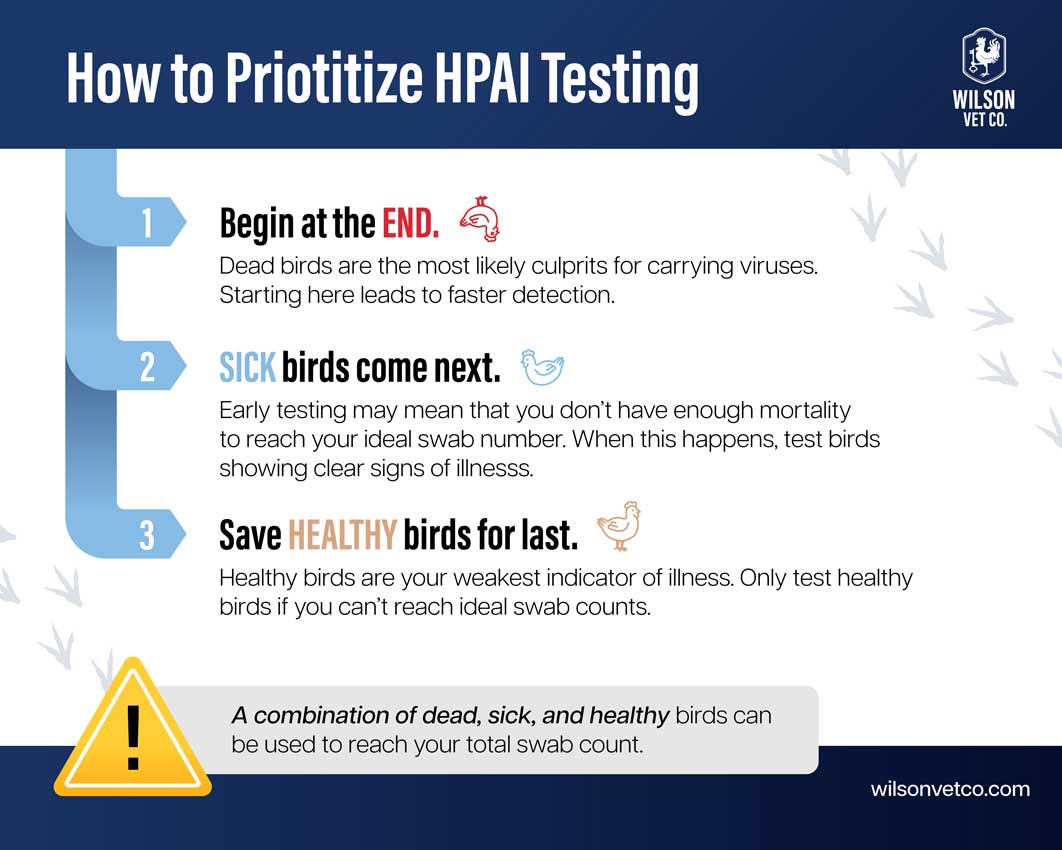
If Avian Influenza is suspected on one of your farms, it can be unclear which birds to sample. When sampling for HPAI, the goal is to try and find the disease. The quicker it is diagnosed, the less likelihood there is that the disease will spread to other poultry farms, complexes, and companies. You should never conduct HPAI sampling if you have a fever as human Influenza can complicate the test results.
First Choice- Dead Birds
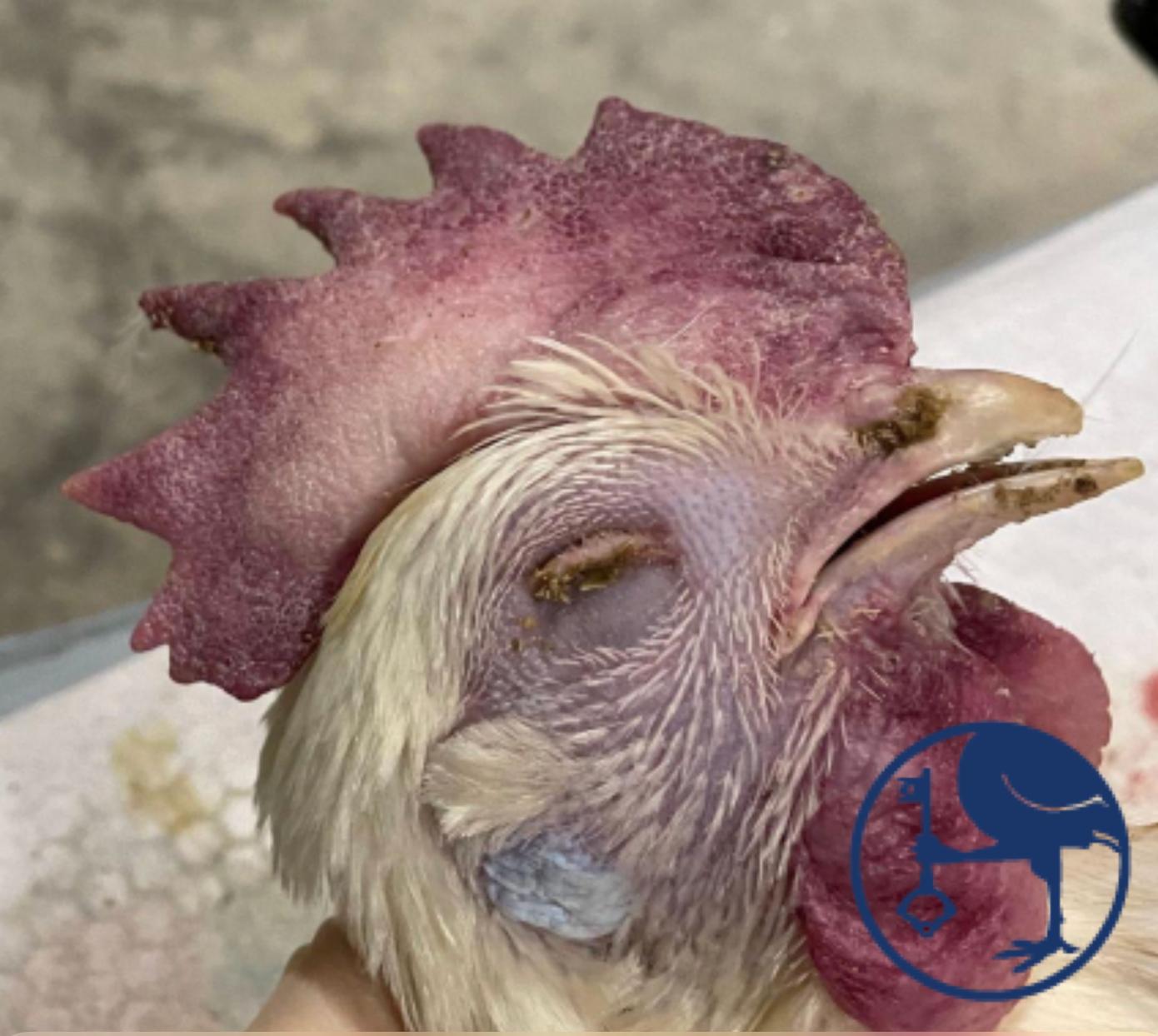
The best sample for HPAI is dead birds. It’s always preferred to have fresh dead, but even day-old mortality has the highest chance of finding the virus. Use your best judgement, if the birds are rotten or if no mortality is available, proceed to the second choice. Please note that you don’t have to get all your samples from mortality. If you only have a few dead birds, sample those first. Then fill in the rest of your samples with a second-choice option.
Second Choice- Sick Birds
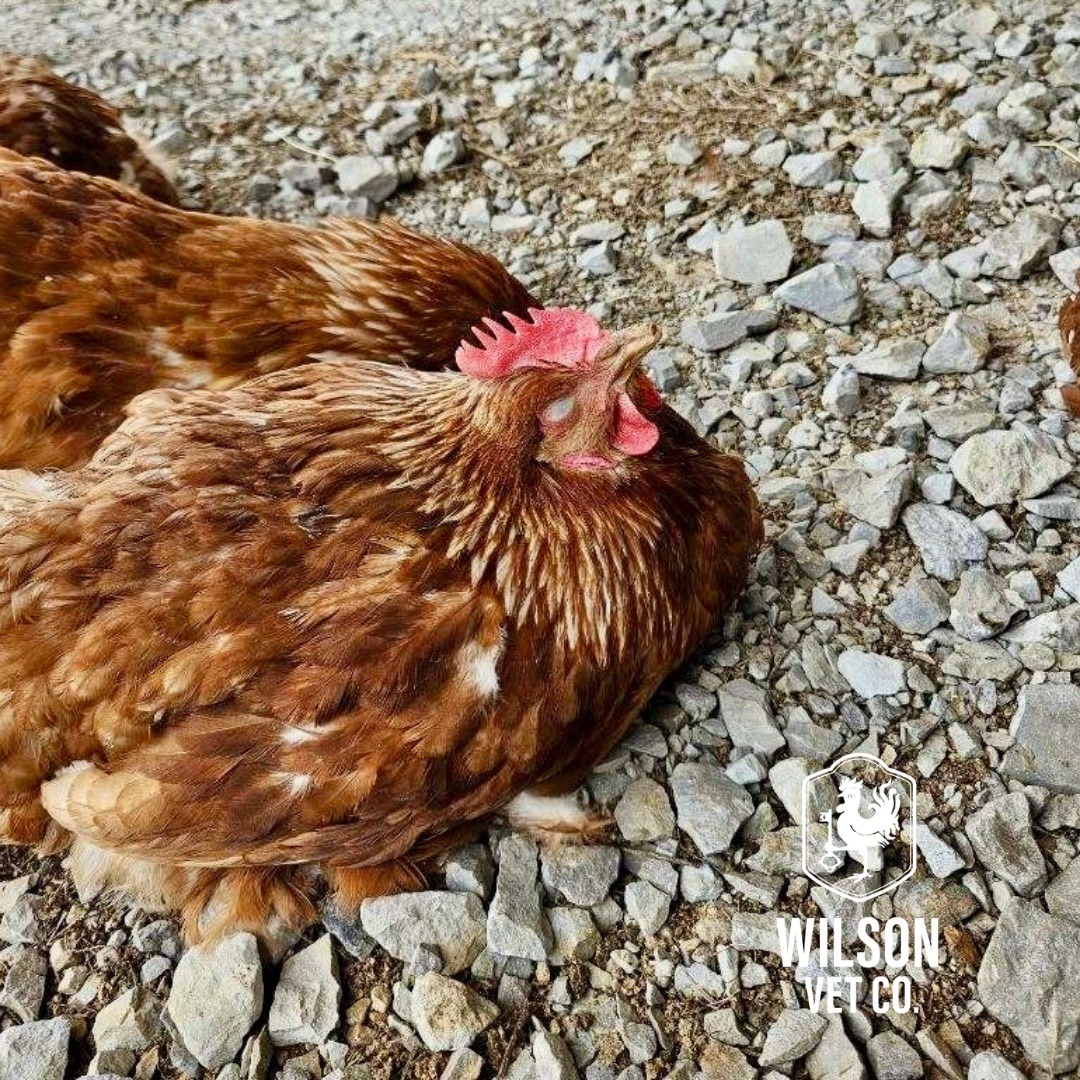
If there are no dead birds to sample, the second-choice option is sick looking birds. These are any birds with neurologic symptoms, nasal discharge, or any other cull bird. If a flock has HPAI, these sick birds are likely to have a high amount of virus in their system. This makes them good candidates to sample. Finding sick looking birds may be quick and easy or it may take a while. When HPAI is in the mix, this is not a time to rush. Take your time and locate as many sick looking birds as you can for HPAI sampling. If there are not enough sick looking birds on the farm for HPAI sampling, the remaining samples can be from the last resort option.
Last Resort- Non-Clinical Birds
If no dead birds or sick birds can be found, the last resort option is to sample non-clinical or healthy-looking birds. These birds are the least likely to have a lot of virus in their system. Oftentimes this is seen when a flock is diagnosed very early. While this is great for controlling an outbreak, it also means that if healthy looking birds are the only ones sampled, a flock could test negative when they have HPAI.
When this happens, it's typically only a matter of days before the entire flock is looking sick and dying. This is why HPAI sampling on healthy birds should only be done as a last resort and sampling may need to be repeated if no dead or sick birds were available for sampling.
How Do I Sample Chickens?
Collecting the correct samples is critical to virus identification. HPAI sampling should be done thoughtfully and in the correct area. Individuals who have a fever should never sample a flock as human Influenza can impact test results. It’s always recommended to take an extra set of samples, because sometimes life happens (samples get dropped, lost in shipping, etc.) and getting caught without HPAI samples during an outbreak is a nightmare!
Oropharynx
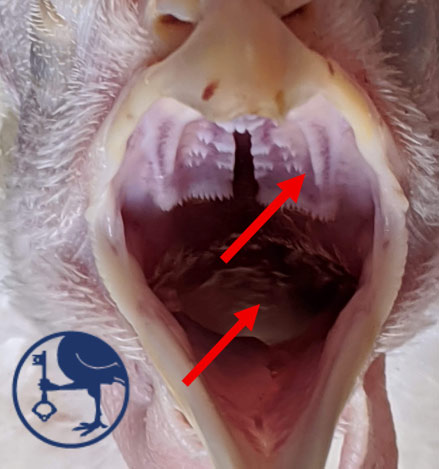
This is the name for the general area in the mouth of the chicken. Swabbing this location is often the easiest to locate and sample. To get a good sample of the oropharynx, move a swab all around the mouth making sure to cover as much area as possible. This can include the choanal cleft as well.
Choanal Cleft
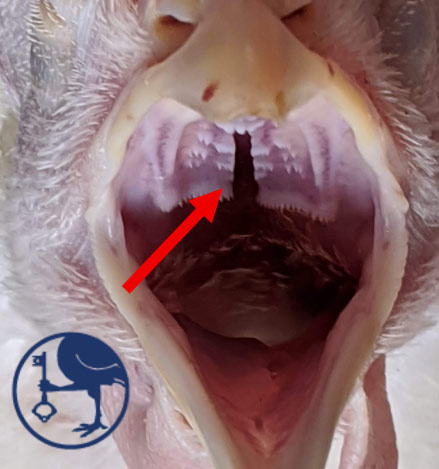
The Choanal cleft is the slit in the roof of the mouth of a chicken. To sample this location, wiggle a swab up, down, and around the choanal cleft. This does not need to be done forcefully, gentle movement in the area will suffice.

Trachea
Swabbing the trachea can be tricky for beginners. It’s not uncommon for first time trachea swabbers to accidentally swab the esophagus instead of the trachea, especially in a live bird. Tracheal swabs are the preferred swab on a dead bird. This is because the mouth can be opened for better visualization. The trachea is also less prone to decomposition and contact with feed compared to the oropharynx and choanal cleft.
How Do I Sample Ducks?
Obtaining accurate samples is essential for identifying viruses. Sampling must be carried out carefully and in the appropriate location. Anyone with a fever should avoid sampling a flock, as human influenza can affect test outcomes.
Cloaca
Sampling procedures for ducks differ slightly because avian influenza viruses in waterfowl often replicate primarily in the intestinal tract rather than the respiratory tract. As a result, cloacal swabs are the preferred specimen type for domestic ducks and other waterfowl. To collect the sample, a swab is gently inserted about 1 inch into the cloaca. Rotate the swab, but be careful not to push the swab too far as that could injure the duck.
Can I Pool Samples?
Samples can be pooled together to optimize testing efficiency and accuracy. The number of swabs that can be pooled depends on the tube size being used.
What is sample pooling?
Pooling samples means collecting swabs from multiple birds and putting those samples in one tube for testing. While methods vary, it's recommended to fully immerse each swab in the BHI broth and swish it around for 1-2 seconds. Some people also like to push the swab against the side of the container to get every last drop possible of liquid into the tube.
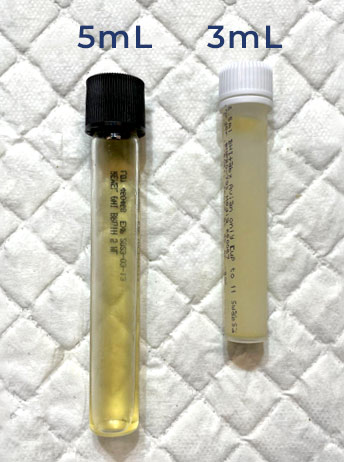
3mL BHI Tubes
These are the smaller of the two commonly used tube sizes. Up to 5 samples can be pooled together in these tubes. Always verify which size tube is being used before beginning sample collection.

5mL BHI Tubes
These are the larger of the two commonly used tube sizes. Up to 11 samples can be pooled together in these tubes. Always verify which size tube is being used before beginning sample collection.

Duck Samples
Pooling is also used for duck samples, although the number of swabs per tube is typically lower than for chickens. A maximum of five cloacal swabs per tube should be used when testing waterfowl.
Who Do I Contact?
If you have a flock that is showing signs of HPAI, contact your poultry veterinarian immediately. Even before sample collection, increased biosecurity protocols may need to be added if a particular flock is suspected to have HPAI.
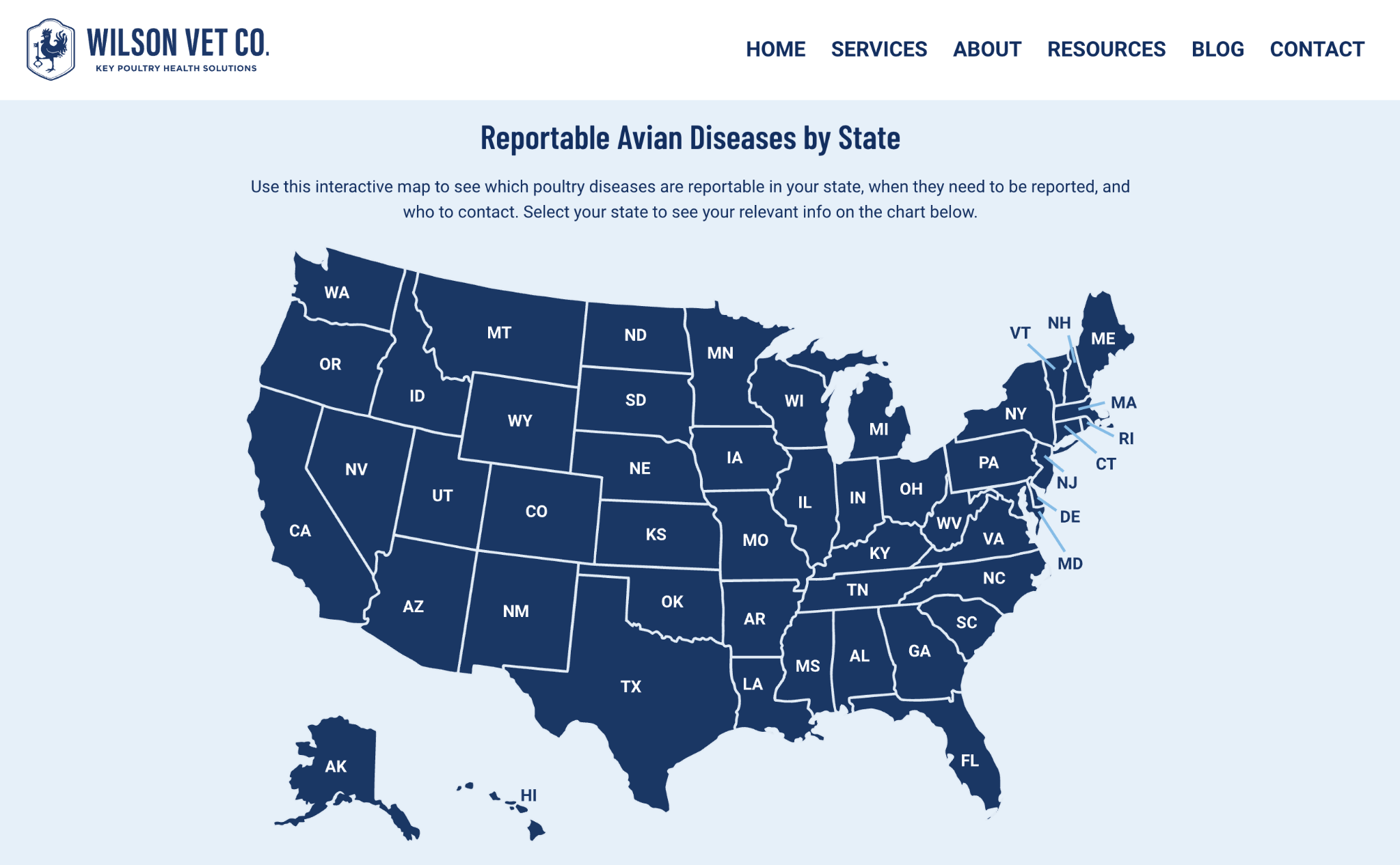
Either you or your poultry veterinarian should contact the State Veterinarian immediately. For the most up to date contact information for all 50 State Veterinarians, check out the Wilson Vet Co Reportable Diseases Map. The State Veterinarian will give direction on next steps and action items needed once samples are processed and results are published.
If HPAI is suspected and samples have been collected, the laboratory where samples are going should be contacted. This will allow the diagnosticians to expedite and prioritize the samples when they arrive. If samples arrive later in the day, this will also prevent samples from inadvertently being held overnight before testing.
Contact List:
- Poultry Veterinarian
- State Veterinarian
- Laboratory
Fequently Asked questions
Q: What is the best HPAI sample in chickens?
A: Oropharyngeal, choanal cleft, or tracheal swabs.
Q: What is the best HPAI sample in ducks?
A: Cloacal swabs.
Q: Can samples from multiple birds be combined for testing?
A: Yes, samples from multiple birds can be pooled into a single tube for testing.
Q: What birds should I sample for HPAI?
A: Dead birds are the best to sample.
Subscribe to our Newsletter
.png)
Ready to Work Together?
If you need a poultry veterinarian who understands the daily realities ofproduction, prevention and performance, Wilson Vet Co. is ready to help.
📞 Get In Touch
.jpg)