Am I shipping samples correctly?
How to get samples to the lab in good condition.


Key Takeaways (TL;DR)
- Rushing sample shipments to diagnostic labs often leads to spoiled, unusable samples && delays in results.
- Poor packaging, insufficient cooling, missing labels, & incomplete paperwork create major issues for lab staff & may force recollection.
- Taking a little extra time, using next-day shipping, enough ice packs, proper labeling, sealed bags, clean samples, & early-week submissions helps ensure samples arrive intact and can be processed quickly.
How to get samples to the lab in good condition.
I Need to Send Out These Samples Immediately!
We’ve all been there. It’s 4pm, we’re on a farm collecting samples and desperate to get home at a somewhat reasonable time. Birds are squawking, it's hot outside, and you just want to be done for the day. You send samples all the time to your favorite diagnostic lab. They should know what you’re wanting, right? Surely a full submission form is not needed. So, as you juggle everything at work, the weather, the exhaustion from the end of the day, samples are packed quickly.
You snag a shipping container; throw in the one ice pack you’ve got. Sure, it's half melted- how can it not be after sitting in the hot truck all day? “It’ll be fine” you think to yourself. You seal everything up yourself and not wanting to go over budget on lab samples, select the ground shipping option. It’s Tuesday after all; the package should make it to the lab by Friday.
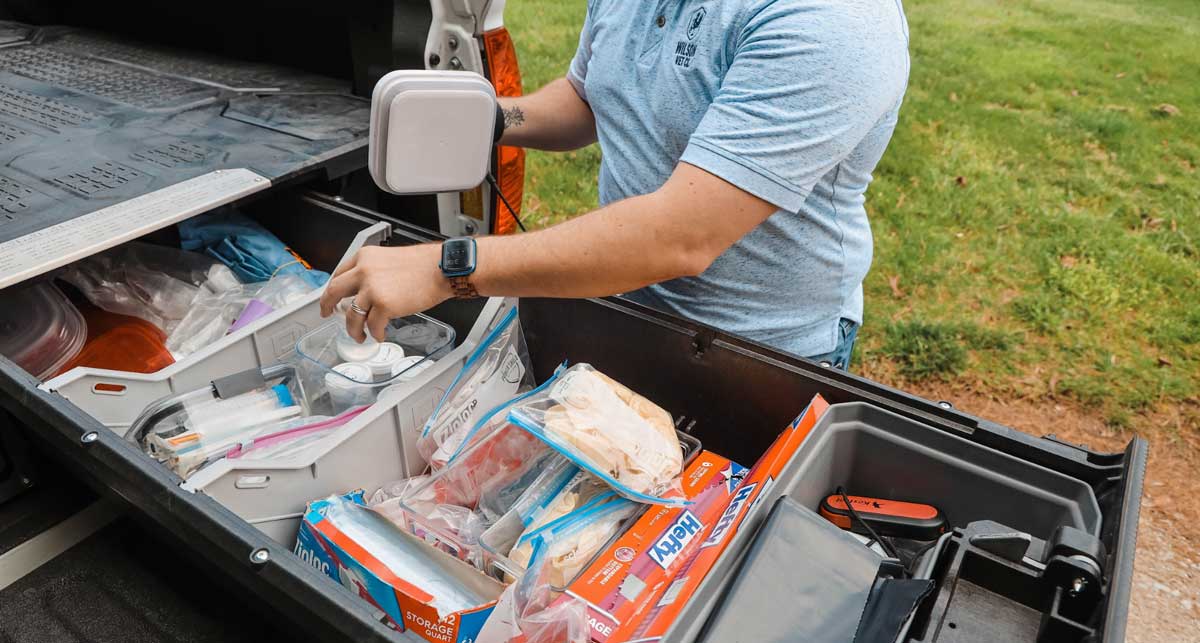
On a poultry farm, days like this happen more often than we like to admit. However, when it comes to getting reliable results on the samples we send, taking the extra time to make sure it is done right is important. This can be the difference between getting quick results and the nightmare of having to go back and collect additional samples, because the first set cannot be processed.
What the Laboratory Staff Experiences
The side of our rushed samples we don’t often appreciate is the laboratory’s point of view. Let’s take the samples we just described.
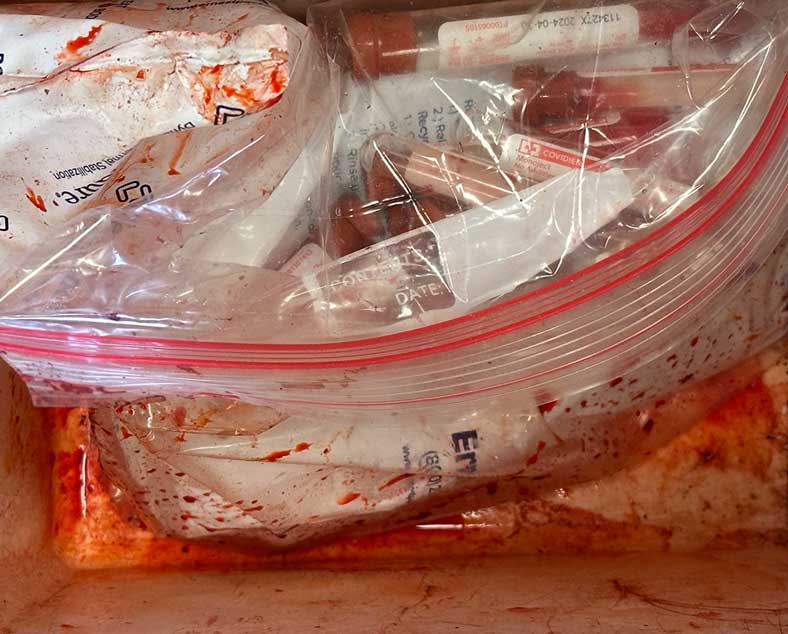
Picture this: It’s 3:30 pm on Friday. You’re trying to get all your final paperwork finished before the lab closes at 4pm. You’re excited to get to your kid’s birthday party when a squished box arrives. Oh my, there’s blood seeping out from the inside?! EEK! Alright, no worries, you’re a professional, so you put on gloves and see what’s inside.
As you open the box, you’re immediately hit with this horrible stench! There’s blood everywhere and everything is…warm? You find one sorry excuse for an ice pack- that explains the smell and general state of the tissues.
Alright, well let’s at least check out the submission form. Maybe something in here can be salvaged. Ope, the submission form was not sealed separately and is covered in filth. Even after laying the paper out flat on the table, all you can make out is the company the samples were from. No submitter is listed, no number to call, there’s not even a farm name or state listed. There’s not enough patience in the world keeping you here after hours to deal with this hot mess of a submission!
And can you blame them? When samples are rushed and not sent properly, this is the situation laboratory intake personnel often experience.
How to Ship Poultry Samples Correctly
No one wants to recollect samples. We’ll review several tips and tricks to make sure your diagnostic samples make it to the laboratory in one piece.
Next-Day Shipping
Depending on your preferred carrier, this will have slightly different names. Sometimes the price tag can feel unnecessary, but having the peace of mind knowing that your diagnostic lab samples will not be lost in the void is huge. Especially in the summertime when keeping poultry samples cool is a challenge, reducing the transit time will help ensure everything makes it to the diagnostic lab intact.
Sealed Plastic Bags
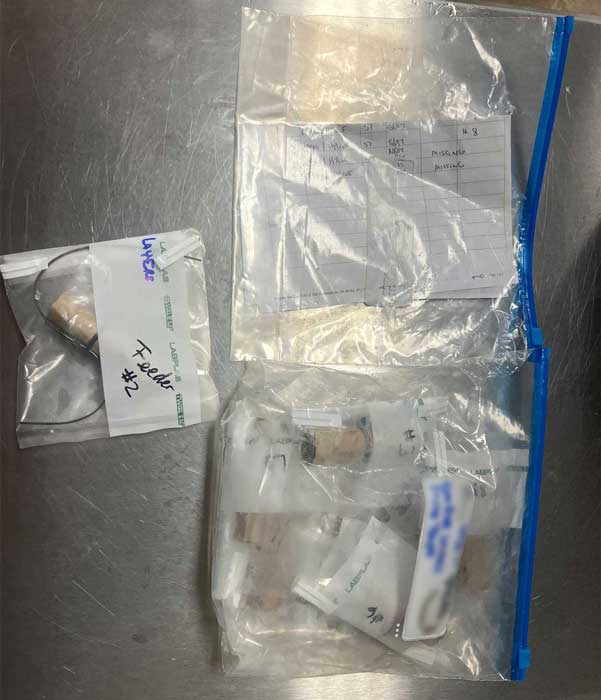
This is one of the most under-utilized resources for poultry sample shipping. They’re small, cheap, and easy to buy in a pinch. If you’ve got 5 samples from 1 farm, put them all in a sealable gallon bag together. Yes, that will mean 5 small bags in 1 bigger bag, but it will prevent samples from being confused if multiple submissions are in the same box. Likewise, consider putting the diagnostic lab submission form in a sealable plastic bag as well. This will prevent it from becoming soiled during the journey if one container leaks or spills.

Ice Packs
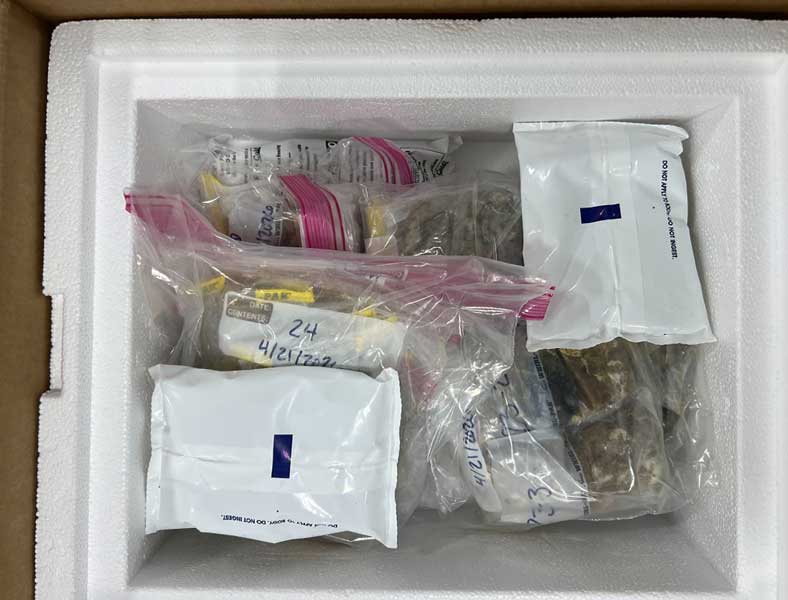
Let’s be real, sometimes life happens and we can’t get enough of them in a package of diagnostic lab samples. But doing everything you can to keep as many (and in various sizes) on hand is essential. If you know you’re going to be collecting samples, bring more than you think you need and store them in an insulated cooler in your vehicle. This will help keep them as frozen as possible before shipping.
Weekday Submissions
Not all laboratories receive samples on the weekend. If unexpected samples arrive to a laboratory after hours or on the weekend, they often sit outside until someone arrives to collect them on the next business day. If your diagnostic lab samples are urgent, call the laboratory to let them know the samples are coming. They can make sure someone will be available to receive them. A good rule of thumb for routine poultry disease testing samples is to submit them early in the week to ensure the laboratory can intake them as soon as they arrive. This will prevent samples from decomposing in their shipping container over a hot summer weekend.
Pro-Tip: Always get tracking information for a package. In a modern world at least knowing where a package is in transit to help update the lab can both reduce stress and the unknown of why something didn't get done (especially regulatory testing) in a timely manner.
Sharpie
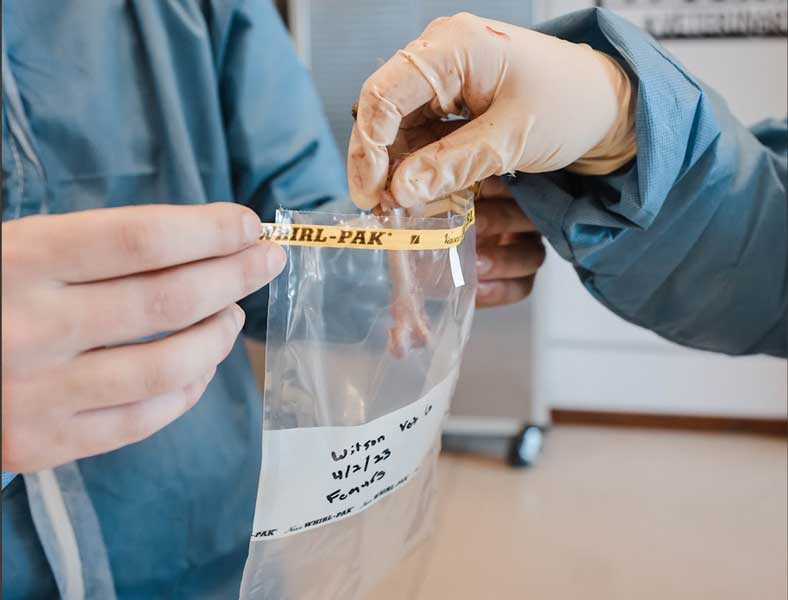
Don’t assume the laboratory knows anything about your samples. Label everything. Every bag and every container with the farm name, sample type, and date at the minimum. This will ensure that everything is accounted for and nothing gets mixed up. This is also a great time to double check that the submission form matches the samples being sent and the poultry disease testing requested.
Pro Tip: For things with bottles and lids, write the sample name on both the lid and container. Once someone opens more than one of the same item- samples can easily get mixed up.
Clean Samples
Even if all precautions to get a sample to the lab safely are taken, it won’t undo a contaminated sample for poultry disease testing. Blood or serum samples with litter and feces inside are not always able to be run. The same is true for any sample that is haphazardly thrown together. Take your time when collecting samples and make sure there aren’t any other objects present in the sample.
Packing Materials
Sometimes the only shipping box available is larger than needed. If this is the case, adding packing materials like bubble wrap, newspaper, packing peanuts, or something similar will help ensure your samples don’t get jostled around inside the container during shipping. If poultry samples (especially ones with liquid) have a lot of room to move around, they’re more likely to open and/or leak inside the shipping container.
Fequently Asked questions
Q: Why is proper sample packaging so important?
A: Improper packaging can lead to leaks, contamination, or temperature damage, making samples unusable.
Q: Is next-day shipping really necessary?
A: Faster shipping reduces the risk of samples degrading in transit and increases the likelihood they’ll arrive in a condition suitable for testing.
Q: What’s the best way to keep samples cool during shipping?
A: Use multiple frozen ice packs and store them in an insulated container.
Q: Can the laboratory process samples in poor condition?
A: Not always. To avoid processing delays or having to recollect samples, do everything you can to make sure samples are submitted thoughtfully.
Subscribe to our Newsletter
.png)
Ready to Work Together?
If you need a poultry veterinarian who understands the daily realities ofproduction, prevention and performance, Wilson Vet Co. is ready to help.
📞 Get In Touch.jpg)